

Liaoxi Geomantic Research Institute
China’s Leading Geomancy Brand
China’s Intangible Cultural Heritage Protection Agency
Orthodox Feng Shui Interpretation of Zhejiang’s Cultural Heritage
My Trip in 2026-7study tour
Zhejiang people
Yanyu Jiangnan rushes alone to the sea
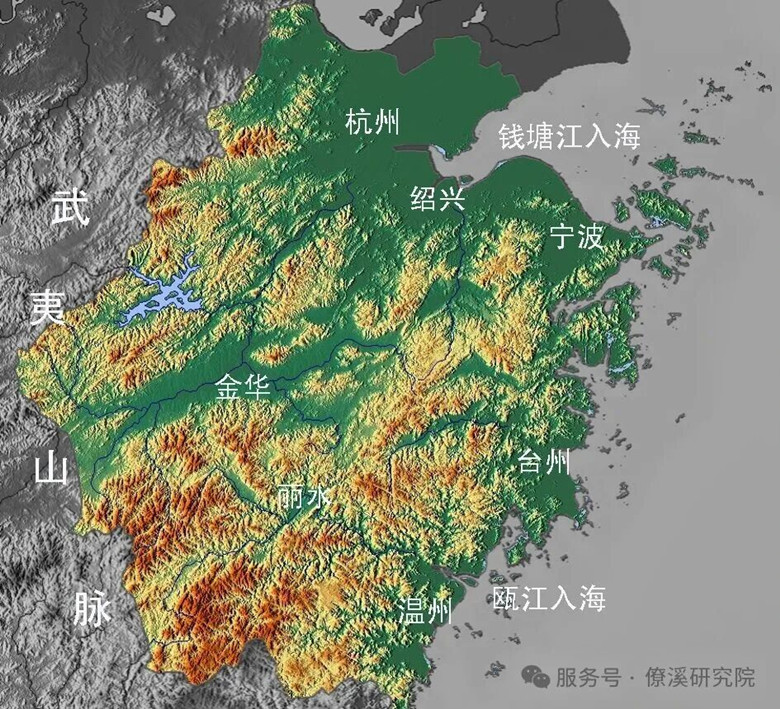
Stretching across Wuyi and overlooking mountains and seas, Zhejiang eventually became the birthplace of Chinese intellectual enlightenment and social change.
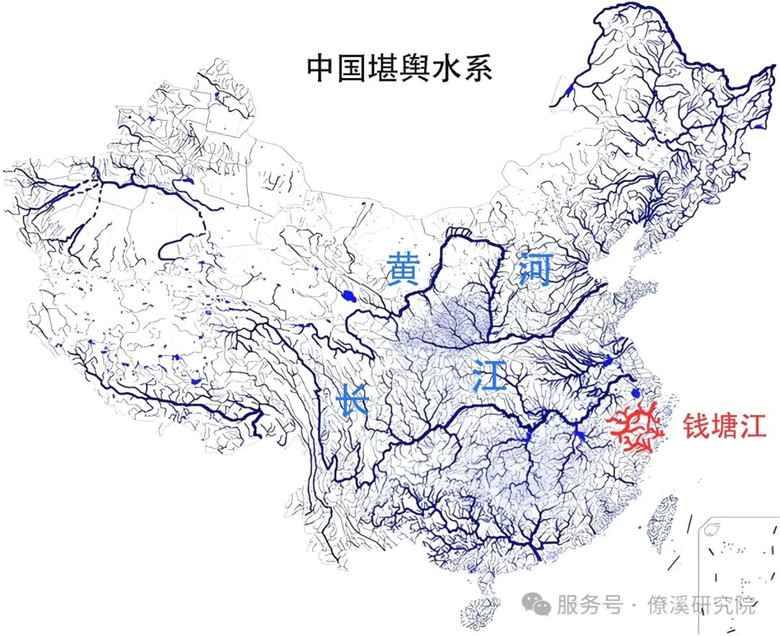
The two major water systems in Zhejiang, Qiantang River and Oujiang River, do not flow together with the Yangtze River. They run north and south respectively towards the sea. The Qiantang River, also known as “Zhejiang” in the pre Qin period, is a winding river. Wu Yue divides the water by a dike, looks across the bridge, and is harmonious but different. Taibo entered Wu to pass on the Zhou ceremony, and the Wu people were shrewd and successful; Goujian praised Confucius for observing the customs of summer, while the Yue people ventured into the wilderness. The Oujiang River runs through the mountainous areas of southern Zhejiang, where the cultures of southern Vietnam and the Central Plains exchange intensively.
During the Tang and Five Dynasties, Qian Liu established the Wu Yue Kingdom and filled the Qiantang River to repel the tide, igniting the magnificent revolutionary spirit of the people of Zhejiang. The Qian family has become a millennium old aristocratic family in Jiangnan, with cultural, ideological, and technological exports, and outstanding people throughout history.
After the Southern Song Dynasty, the economic and cultural center of China completely shifted southward and never returned northward. The Zhedong School of thought emerged, combining righteousness and benefit, and applying it to the world, achieving the spirit of Zhejiang merchants and profoundly influencing the intellectual and academic process of China for nearly a thousand years. From Wang Chong’s materialist criticism in the Eastern Han Dynasty to the study of achievements by Lu Zuqian, Chen Liang, and Ye Shi in the Song Dynasty; From Wang Yangming’s integration of knowledge and action in the Ming Dynasty to Huang Zongxi’s people-oriented enlightenment in the Qing Dynasty; From Wang Guowei’s aesthetic and speculative transformation to the origin of Zhejiang studies, it connects Qi theory, Song Ming Neo Confucianism, Heart studies, and modern ideological enlightenment.
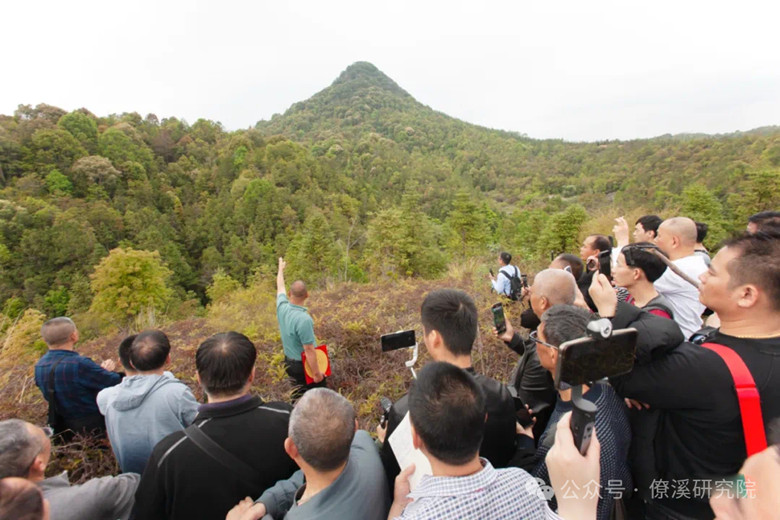
This survey was organized by the Liaoxi Research Institute, taking the Chinese dragon vein and landscape geography as the longitude, taking the Jiangnan humanities and philosophy and business ideas as the latitude, deeply walking in eastern, northern and southern Zhejiang, visiting academies of classical learning, hometown of celebrities, water ports and trade routes. Zeng Zhihan, the inheritor of China’s intangible cultural heritage Three Liao Kanyu, deeply interprets the cultural legend of Zhejiang with a broad geographical perspective.
Four guarantees:
- High quality cultural tourism: High quality and cost-effective, not just taking a superficial look.
- Mature route: systematic, authoritative, multi-dimensional, and comprehensive data.
- Combining arts and sciences: historical tour guides and professional geomancy mentors leading the team.
- Vocational education: vocational operations such as geometry, logic, and testing.
Policy Explanation for Inspection
Time: July 5-10, 2026
2 locations: Hangzhou, Jinhua, Shaoxing, Ningbo, Lishui - Cost: 3980 yuan (non negotiable for high-quality cultural tourism)
1) Including tickets, transportation, accommodation, and insurance
2) The accommodation and meals are as follows:
Stay for 5 nights from July 5th to 9th, in a double room
July 5th: Report to Wuyi, Jinhua, and stay overnight for dinner in Wuyi
Day 1: July 6th: Breakfast, lunch, and dinner, staying in Wuyi
Day 2: July 7th: Breakfast, lunch, and dinner, stay in Yiwu
Day 3: July 8th: Breakfast, lunch, and dinner, stay in Fenghua
The fourth day: July 9: breakfast, lunch and dinner, Suzhou
Day 5: July 10: Breakfast and lunch, Hangzhou group break up
3) Gift of Liaoxi 3-inch brass commemorative compass
4) Gift of the 2026 new edition of ‘Liaoxi Datong Book’
5) Pay the price difference for a single room
Contact information: Same account on WeChat
Short Number: 4001363631
Teacher Zeng: 15970706057
Teacher Zeng: 15579855810
Teacher Jiang: 18720864026
Teacher Li: 17679187888
Teacher Chen: 19323954227
Address: Meiliao San Liao Liao Xi Academy, Xingguo, Jiangxi
Address: Liaoxi Research Institute, 3rd Floor, Xingguo Kanglaibo Hotel
Inspection schedule arrangement
My Trip in 2026 itinerary
Authoritative system analysis, high-quality assurance throughout the entire process
Reported to Wuyi, Jinhua on July 5th, residing in Wuyi
Day 1: On July 6th at 7:30, I got on the bus and stayed in Wuyi
Liu Bowen’s self selected tomb
Liu Bowen’s great grandfather’s tomb
Liu Bowen’s Former Residence, Ancestor’s Tomb, Grandfather’s Tomb
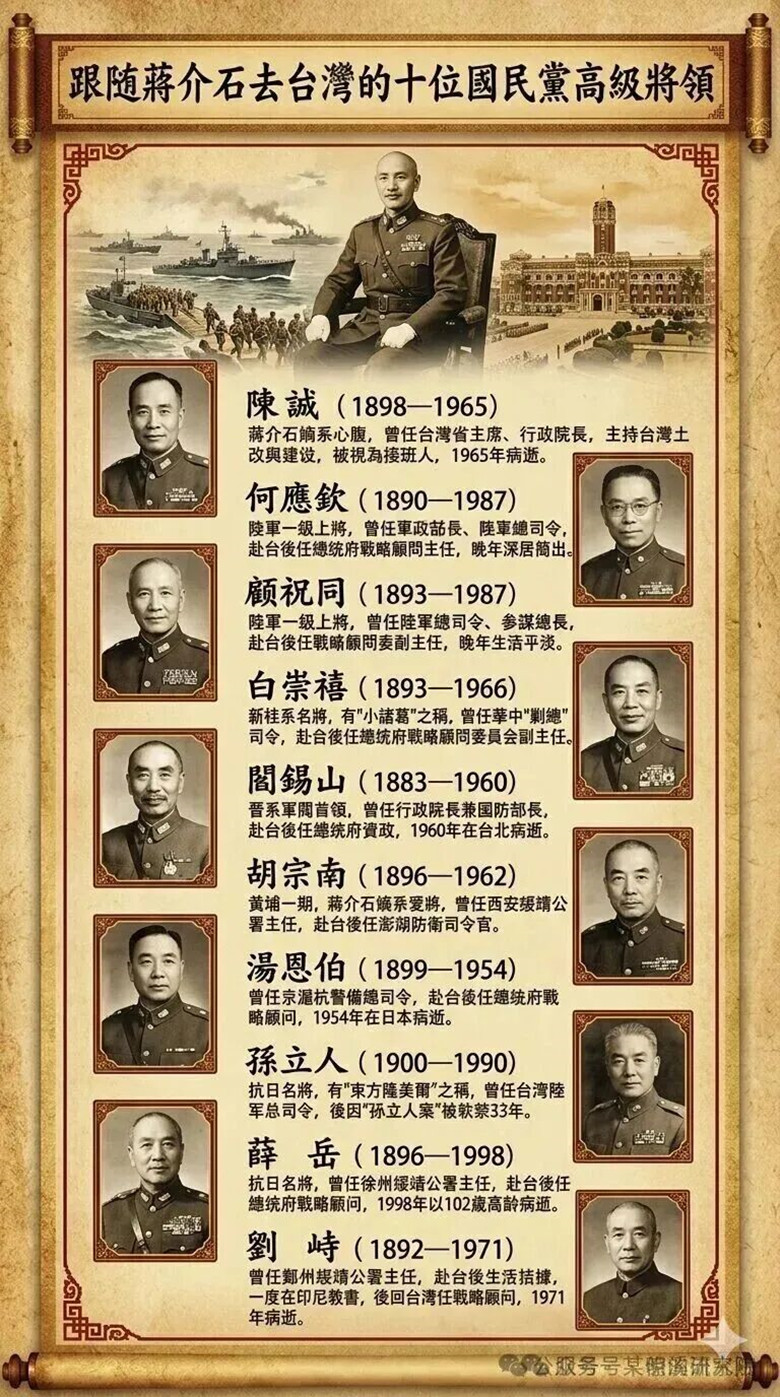
Qingtian Chen Cheng’s former residence and ancestral land
The next day: On July 7th at 7:30, I got on the bus and stayed in Yiwu
Pujiang Ren Zhengfei’s ancestral home and ancestral land
Tang Enbo’s hometown
Liu Bowen’s Taiji Astrology
The ancestral land of the Shi family in Yongkang, “Notice to the Son of Man”
On the third day, July 8th at 7:30, I boarded the train and stayed in Fenghua
Yiwu Luobin King Ancestral Tomb
Pujiang Lai Buyi personally visited Zheng’s ancestral land
Two provincial party secretaries visited their hometowns for inspection
The fourth day: get on at 7:30 on July 9 and live in Shaoxing
Ma Yunzu Land
Tang Yu’s Ancestral Tomb (Riding the Dragon to Slash the Pass)
Jiang Family Ancestral Hall, former residence of Chiang Kai shek in Ningbo
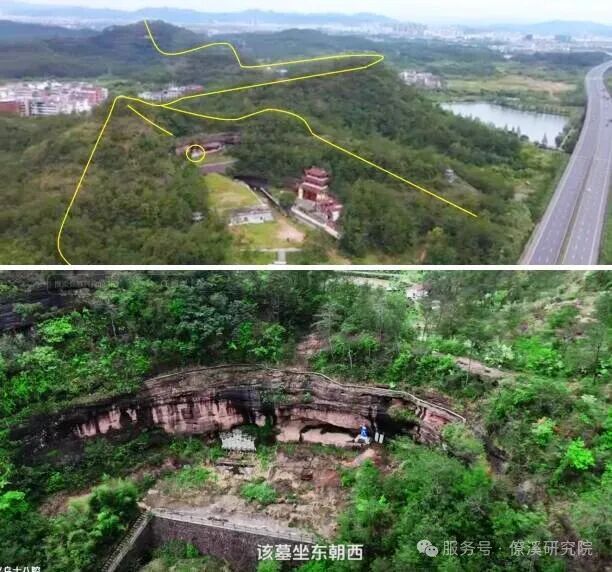
Chiang Kai shek’s father’s tomb and ancestral tomb
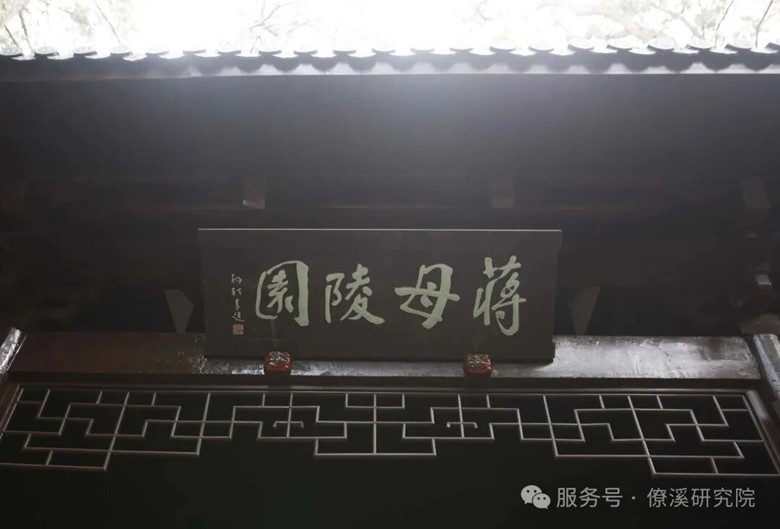
Jiang Mu Cemetery
Day 5: Boarding at 7:30 on July 10th
Zhou Enlai’s Ancestral Tomb
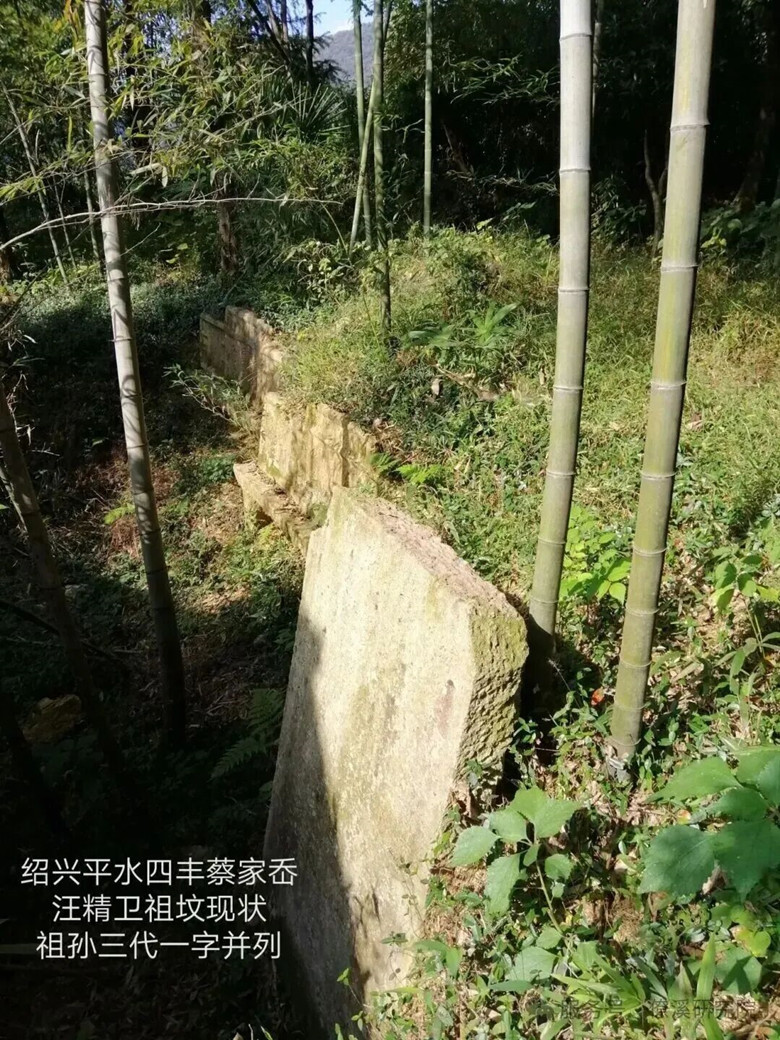
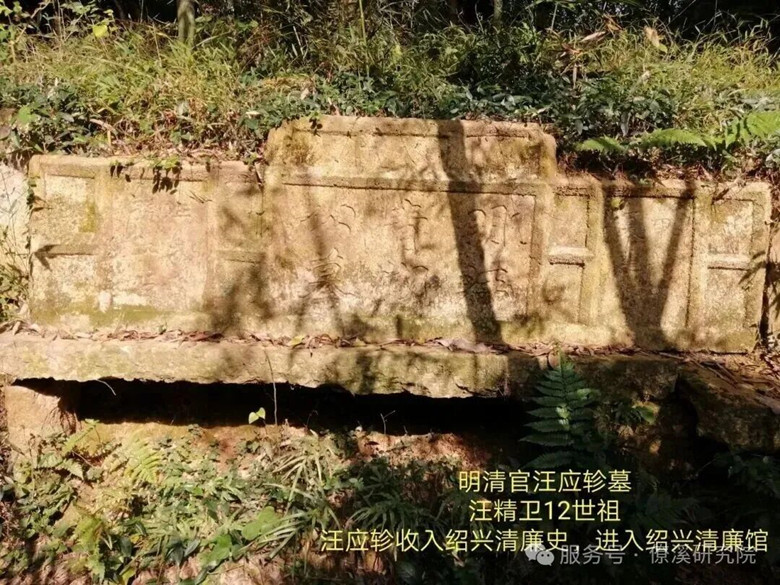
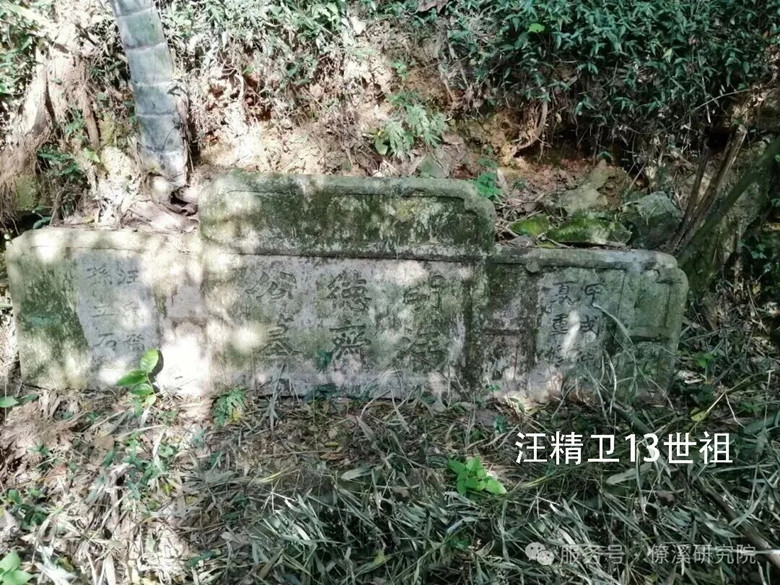
Wang Jingwei’s Ancestral Tomb
Wang Yangming’s self burial tomb
(Wang Yangming’s former residence: alternative)
(Huang Zongxi Tomb: alternative)
Qian Liu Tomb
After the last day of inspection, return to Hangzhou in the afternoon:
- Bus delivery to Hangzhou Airport and high-speed railway station
Hangzhou Xiaoshan Airport: arrive before 17:00
Hangzhou East High speed Railway Station: arrive before 17:30 - Stay in Hangzhou for unified arrangements, take care of your own food and lodging
- Please report your return ticket to coordinate the time
(The itinerary can be adjusted according to the actual situation) - Investigator: Zeng Zhihan
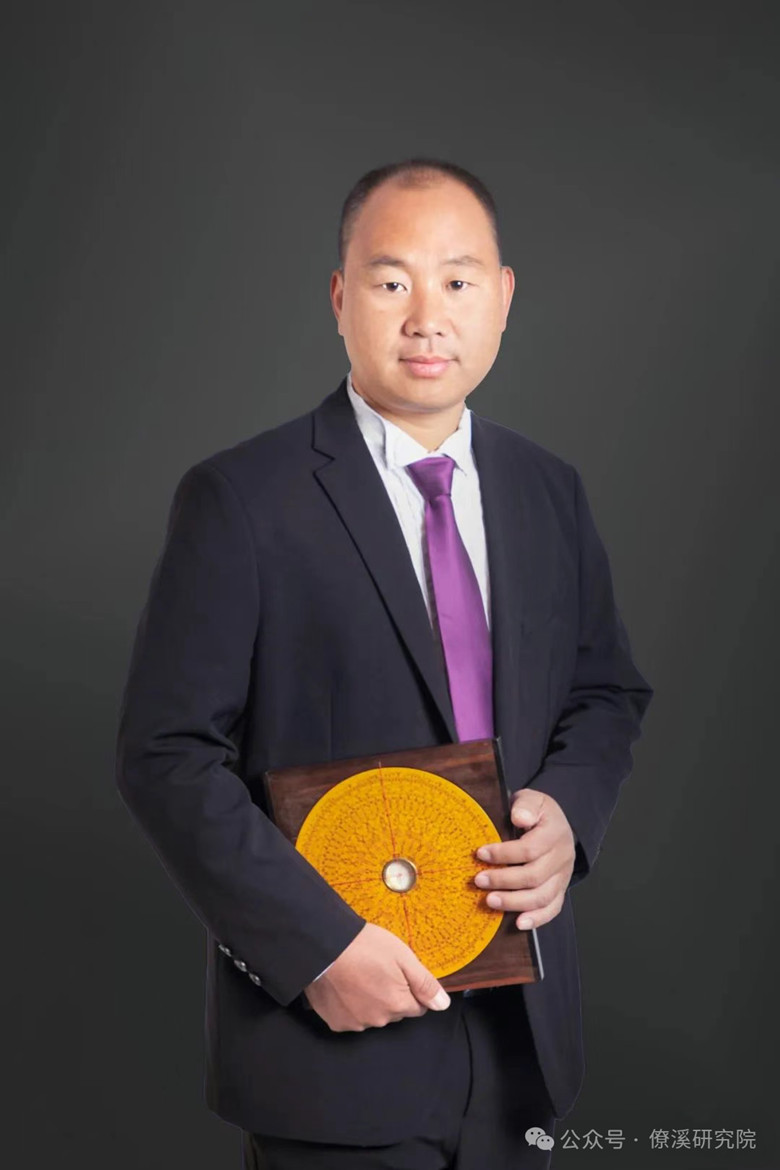
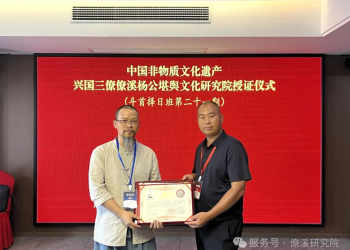
The inheritor of China’s intangible cultural heritage, Sanliao Kanyu, is the 38th generation descendant of the founder of Sanliao Kanyu, Zeng Wenyu
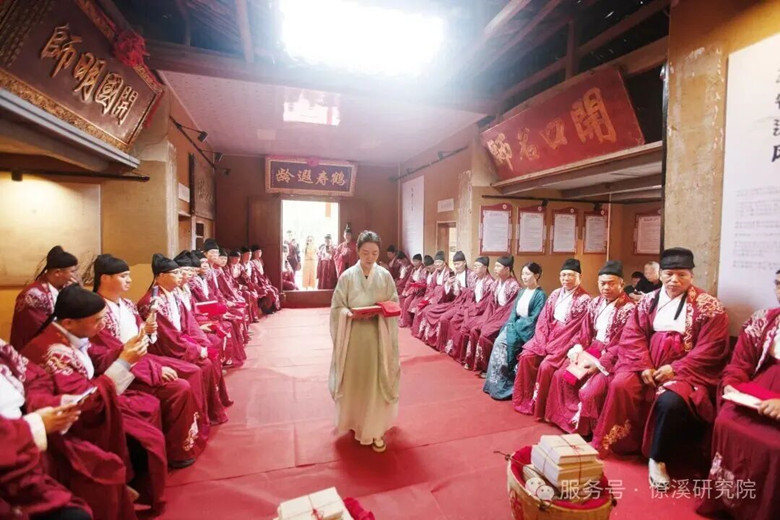
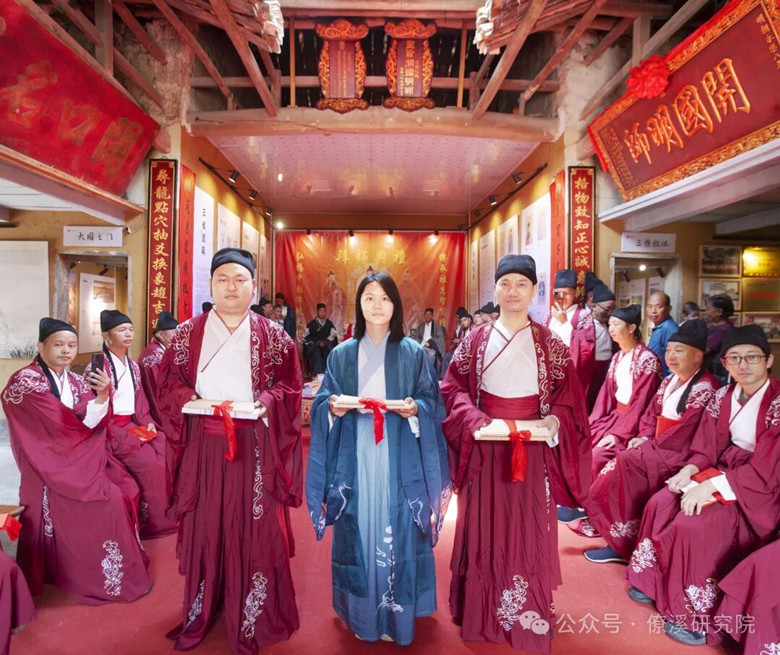
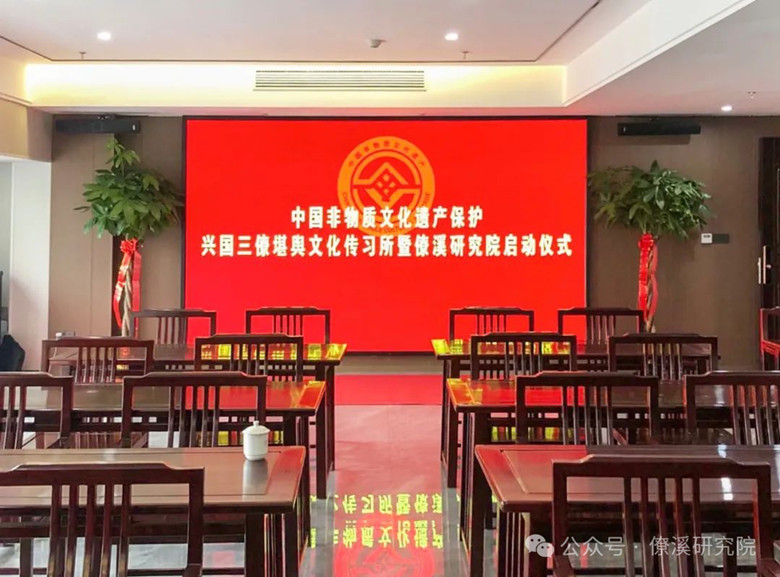
2 Liaoxi Geomancy Research Institute
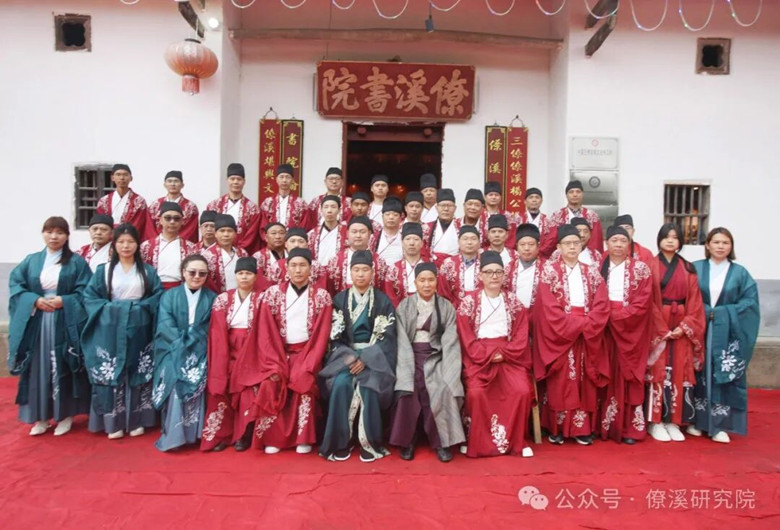
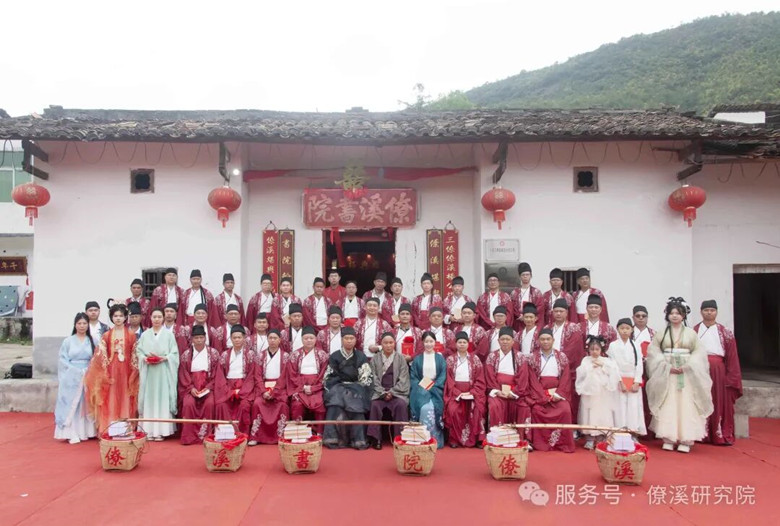
Chinese Intangible Cultural Heritage Protection Units
3 Introduction to the main attractions for inspection
Hangzhou, Shaoxing, Jinhua, Lishui, Wenzhou, Ningbo
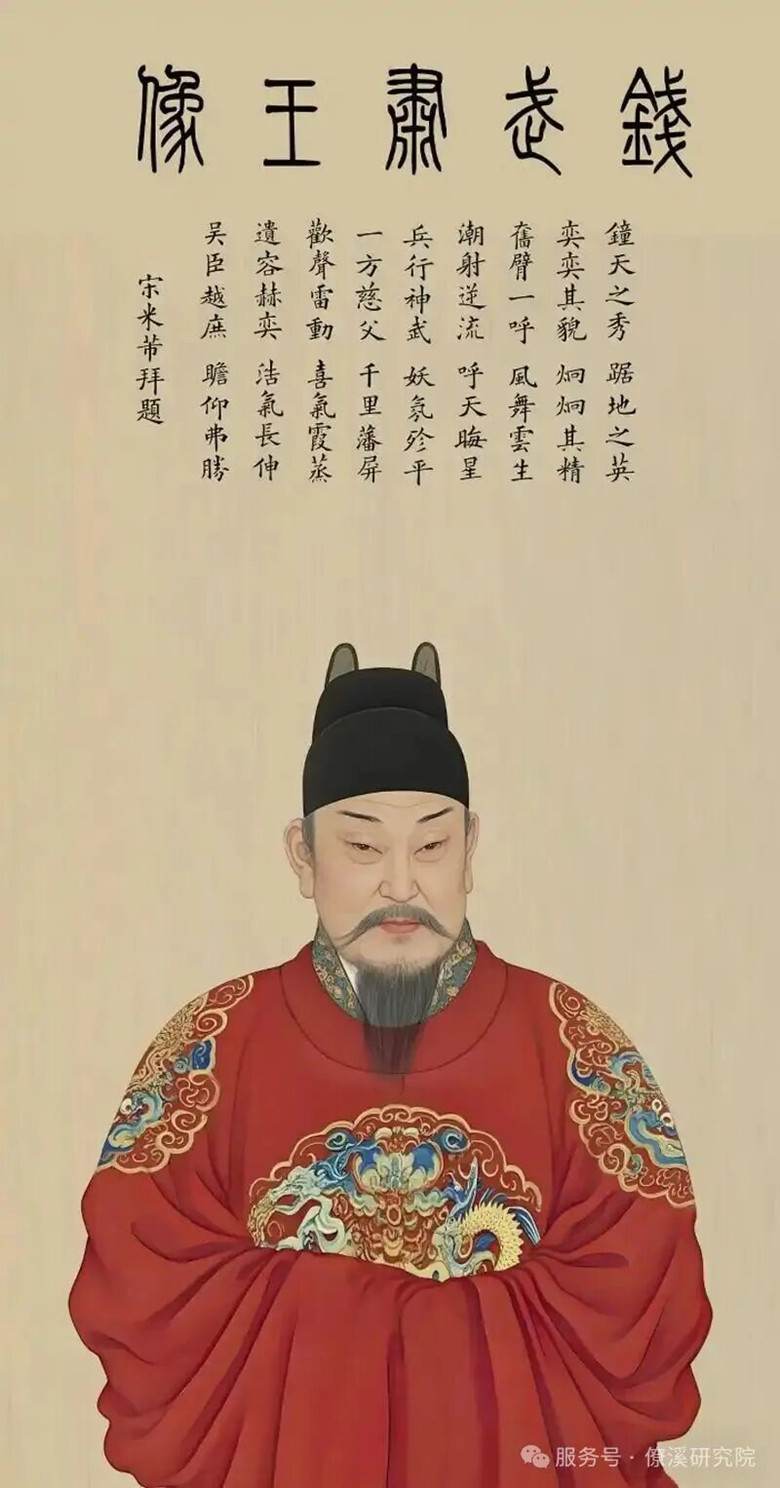
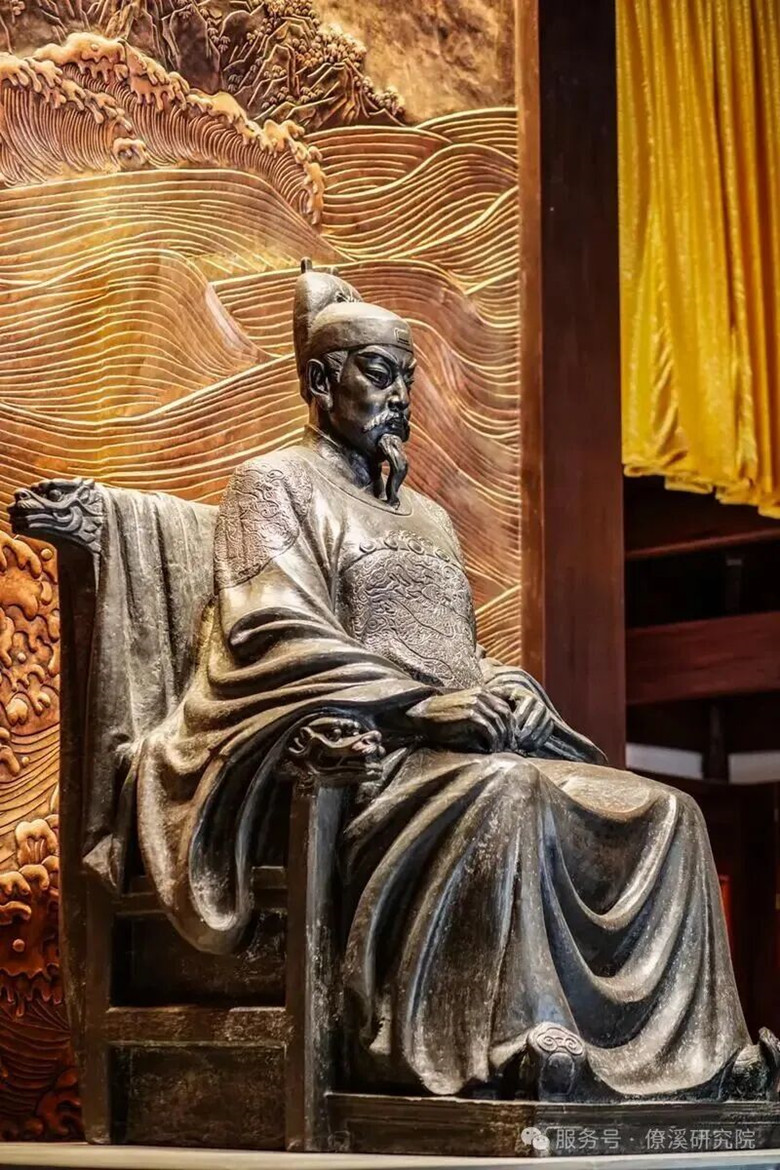
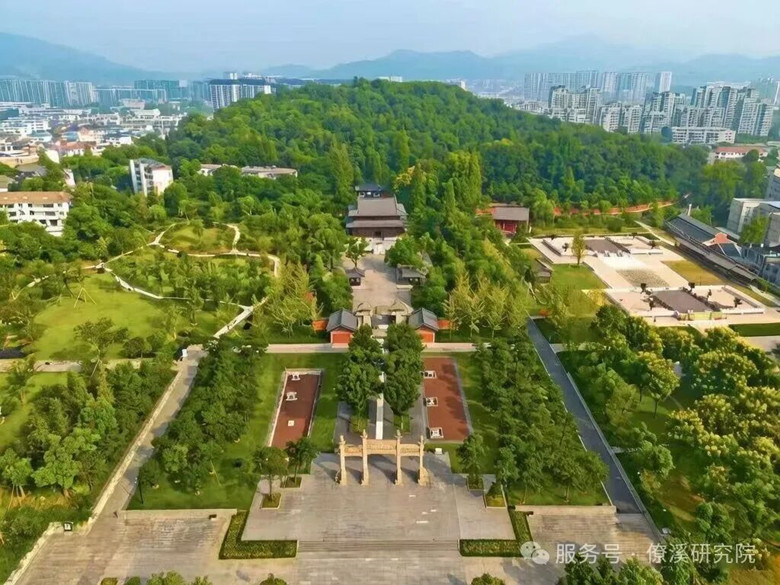
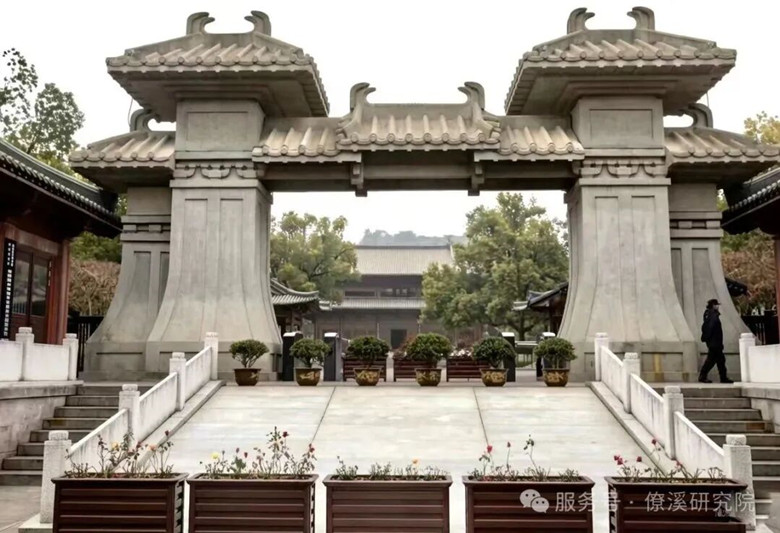
Flowers bloom on the outskirts of Qian Liu Mausoleum, a thousand year old aristocratic family from Jiangnan, known as the Qian clan
Qian Liu, who built the Wu Yue Kingdom, constructed seawalls, and dredged West Lake, was the pioneer of the Wu Yue spirit. As the most prominent family in Jiangnan, the Qian family has produced numerous talents: Qian Xuesen: father of missiles, pioneer of the two bombs Qian Sanqiang: father of China’s atomic energy, pioneer of the two bombs Qian Mu: historian and philosopher Qian Weichang: vice chairman of the National Committee of the Chinese People’s Political Consultative Conference Qian Fu: former president of Taiwan’s Control Yuan Qian Zhongshu: literary giant Qian Xuantong: linguist Qian Yongjian: Nobel Prize in Chemistry Qian Qichen: former foreign ministers Qian Zhengying, Qian Yi, Qian Lingxi, Qian Linzhao: Chinese engineering academician
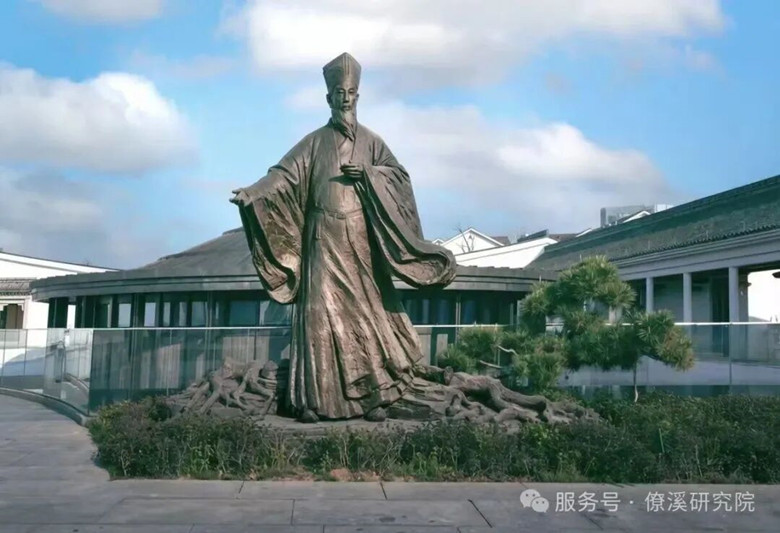
Encountering Wang Yangming, this heart shines brightly, illuminating the lights for five hundred years
Wang Yangming’s three major achievements in the study of the mind: 1. The mind is the principle: the rules of all things are in the mind, and external seeking is transformed into internal seeking. Integration of knowledge and action: investigating things to acquire knowledge, and unifying knowledge with things. 3 to Conscience: Conscience is the innate goodness of every person, and putting it into action can achieve self fulfillment.
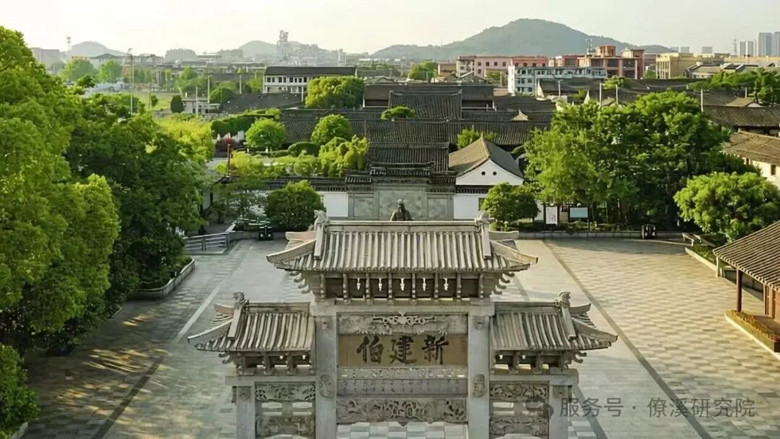
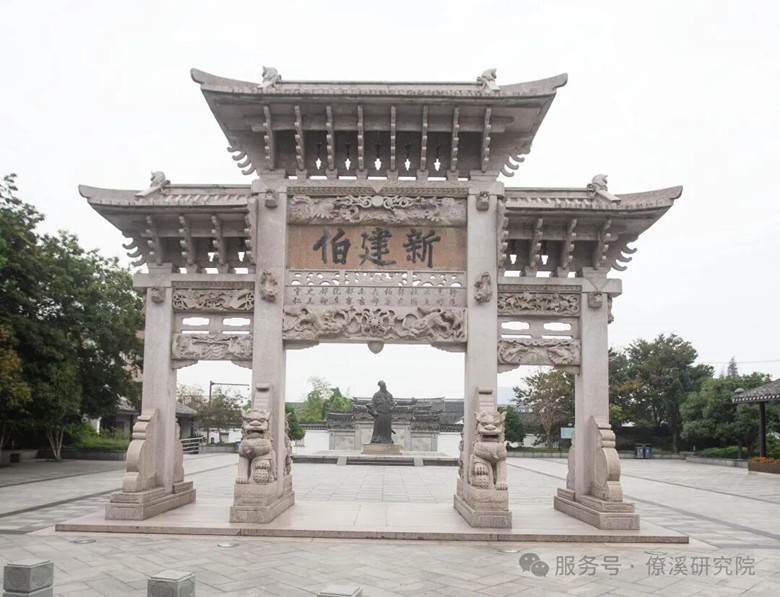
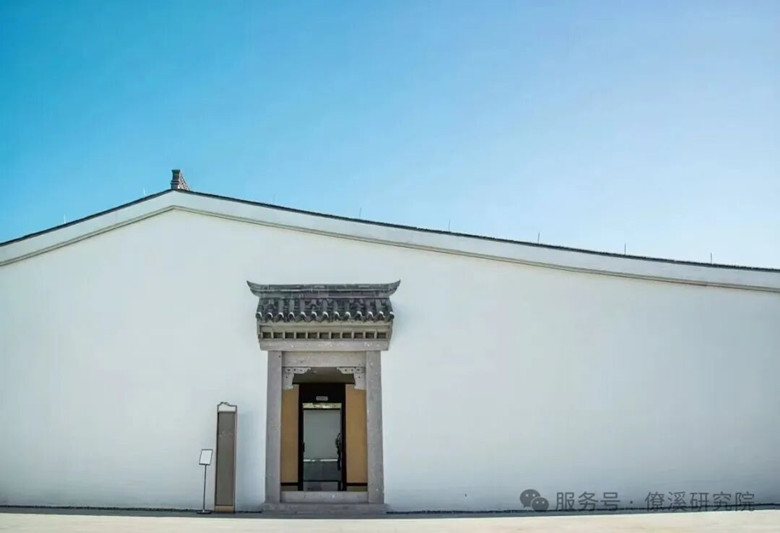
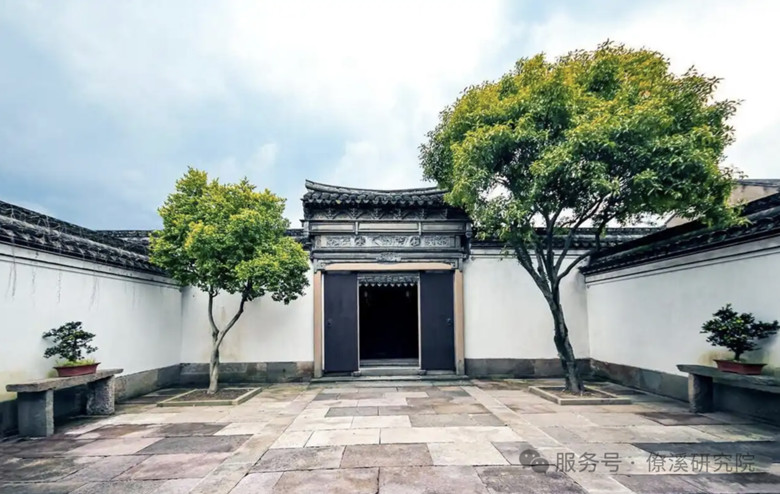
Wang Yangming’s self burial tomb
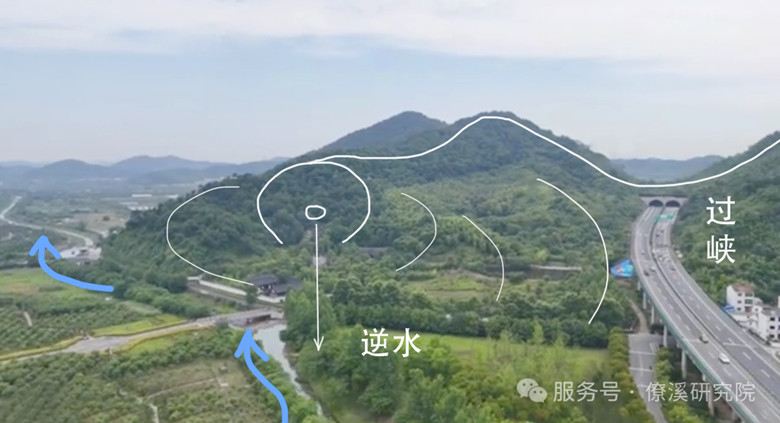
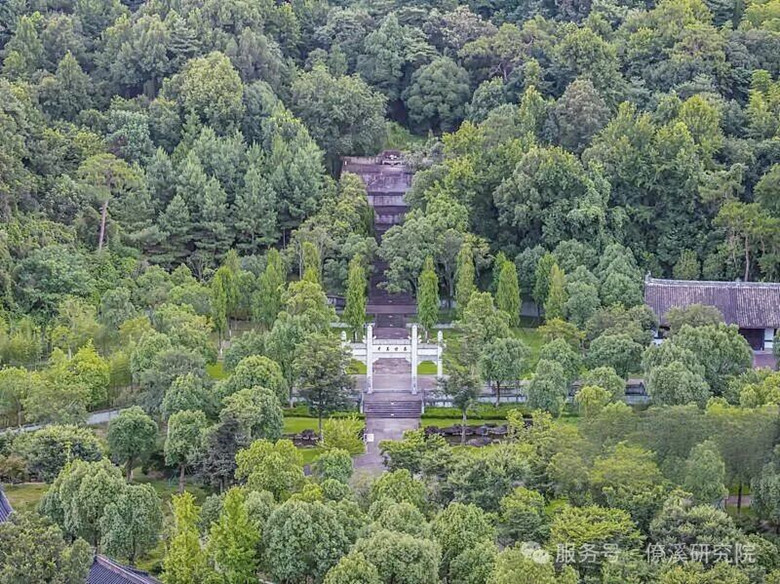
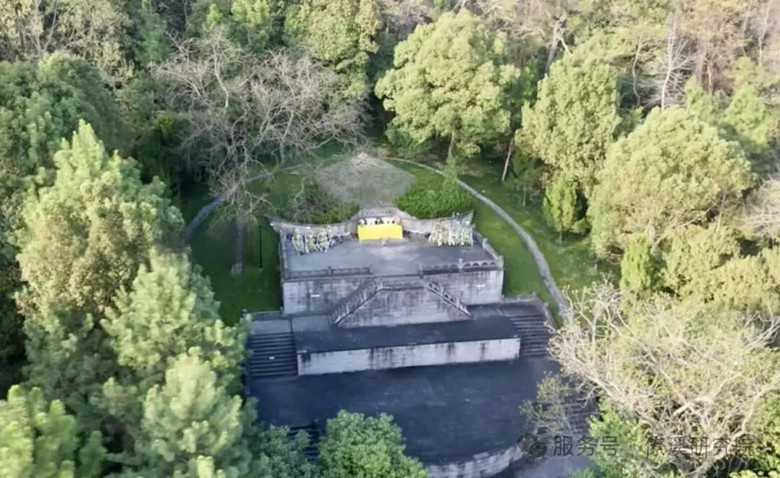
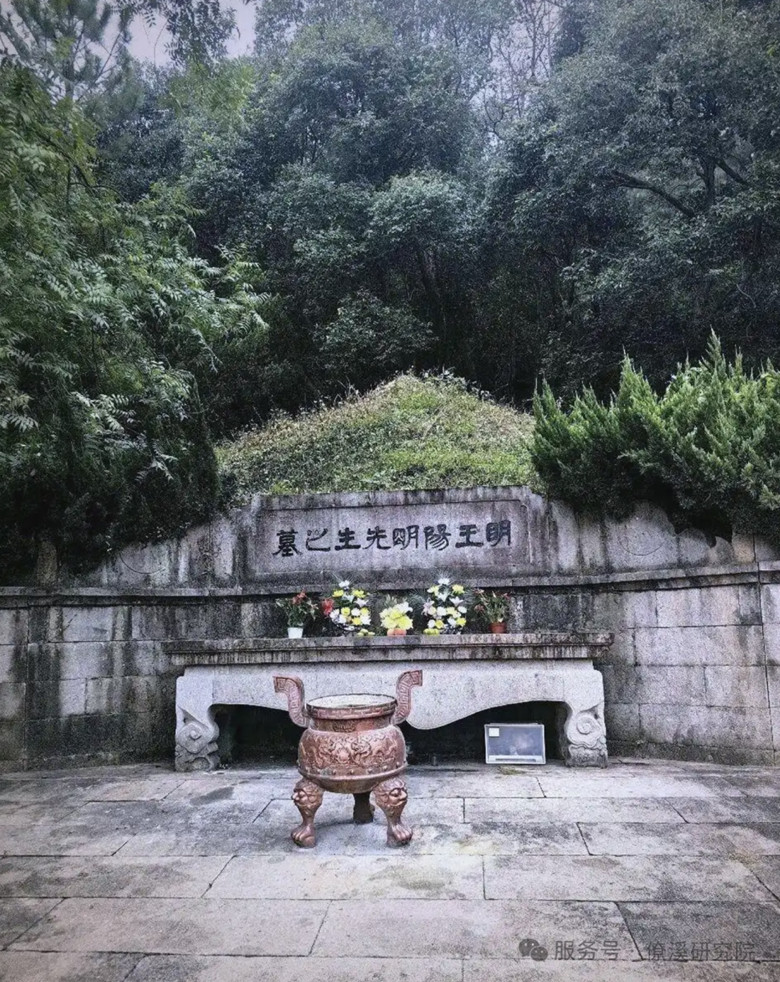
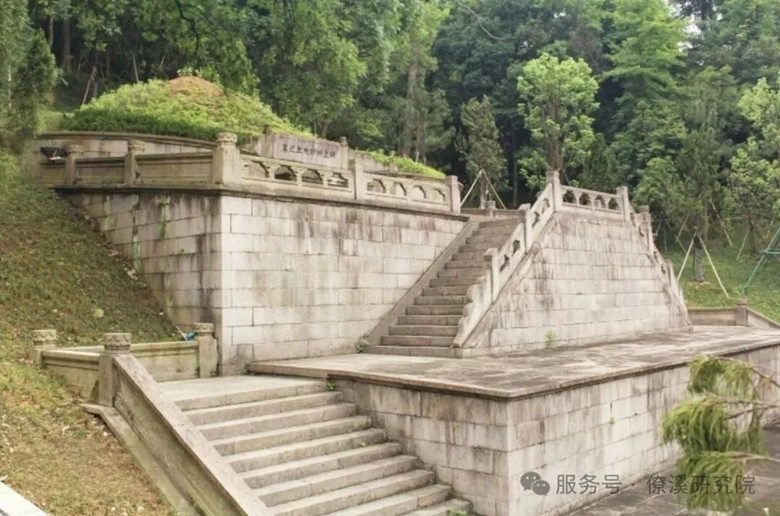
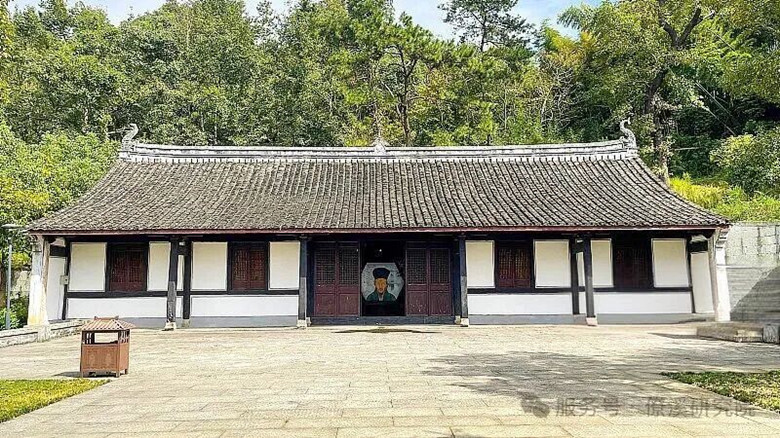
Wang Yangming Tomb
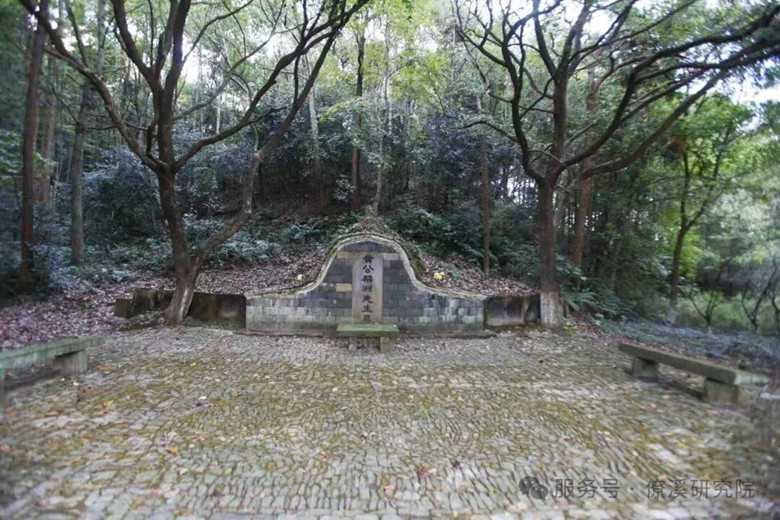
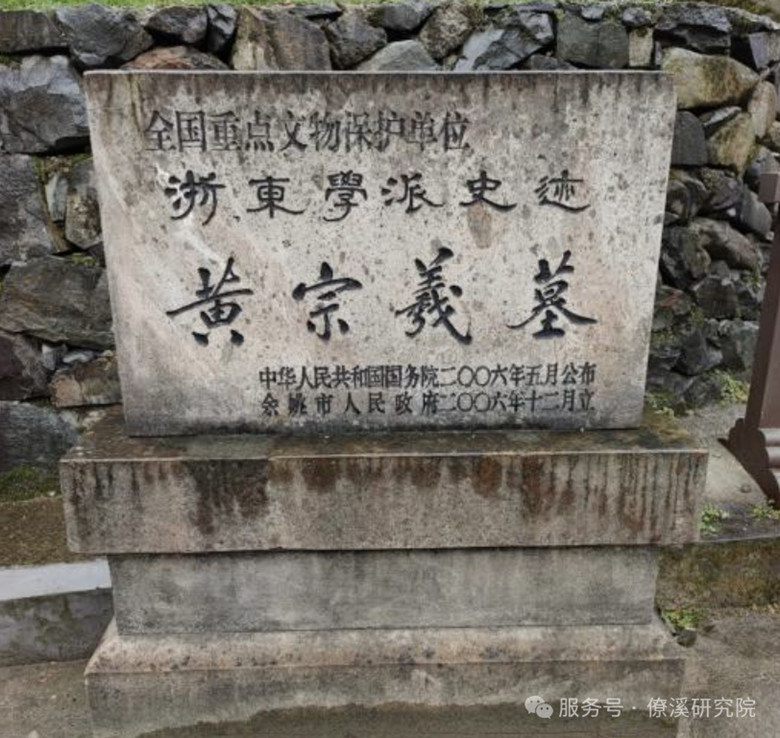
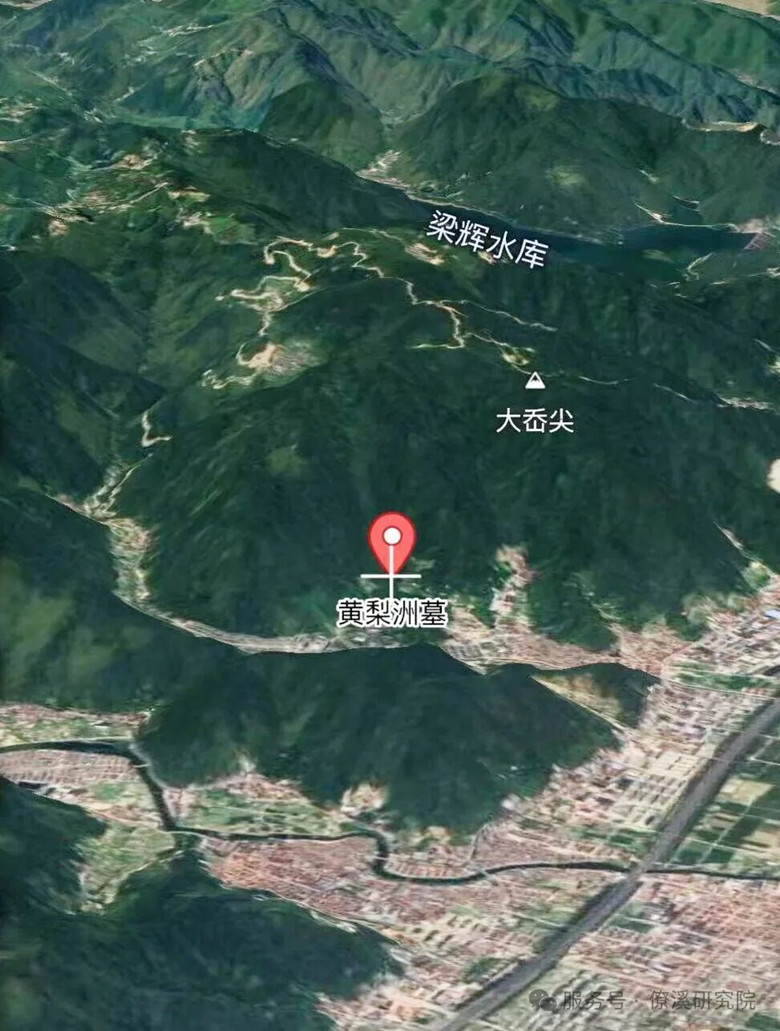
Huang Zongxi’s practical application: the integration of ideology and academia into reality
The two major characteristics of modern enlightenment thought are innovation and rationality. Jiangsu, Zhejiang, and Hubei are important places for the enlightenment of Chinese thought. Huang Zongxi proposed the idea of “the world is the main place, and the ruler is the guest”, and together with Wang Chuanshan and Gu Yanwu, they are known as pioneers of enlightenment.
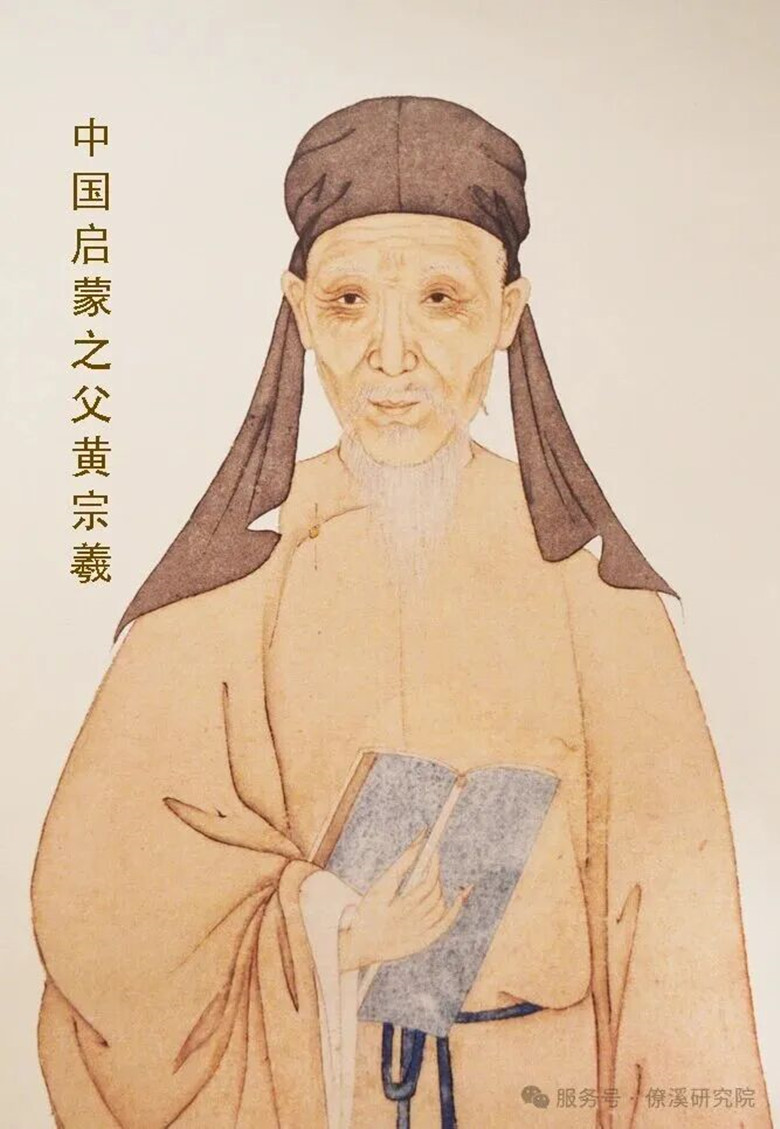
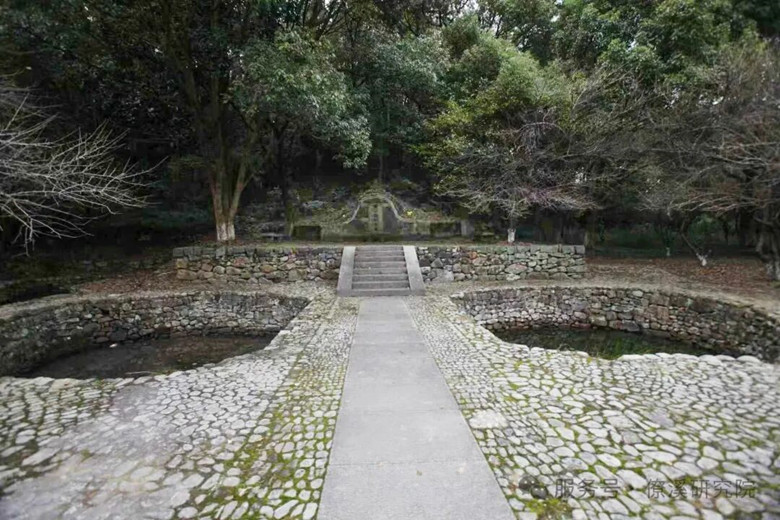
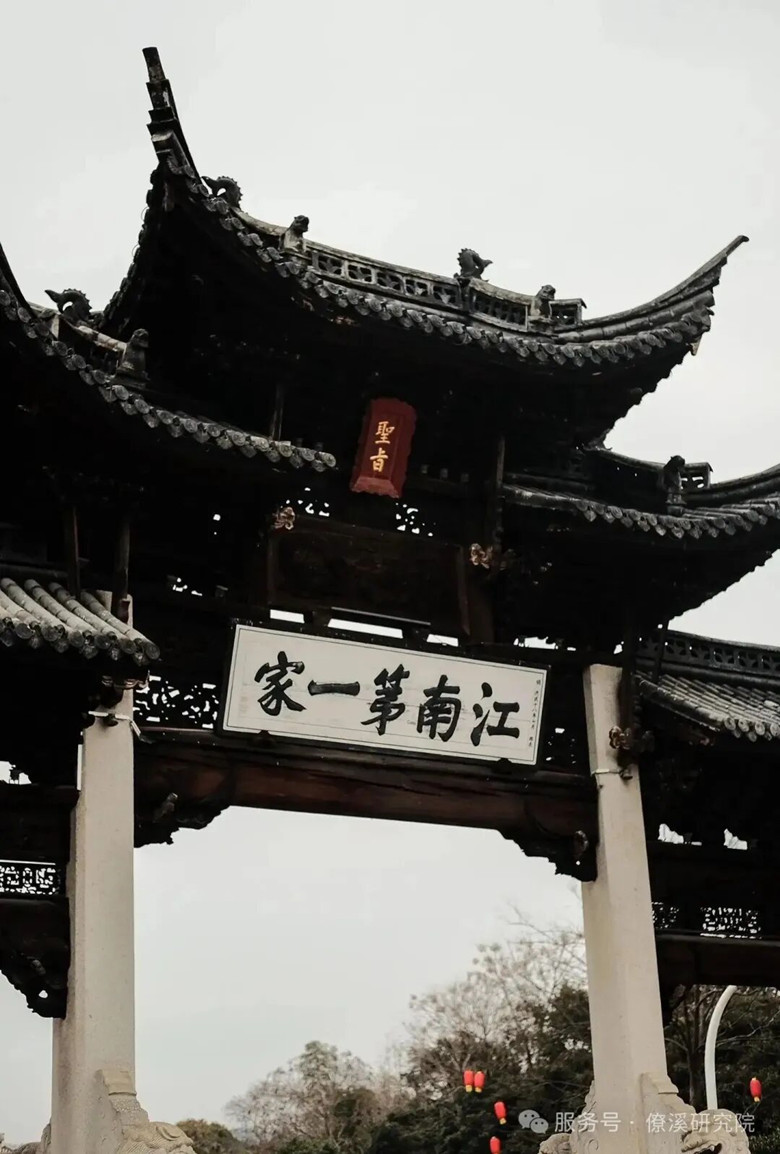
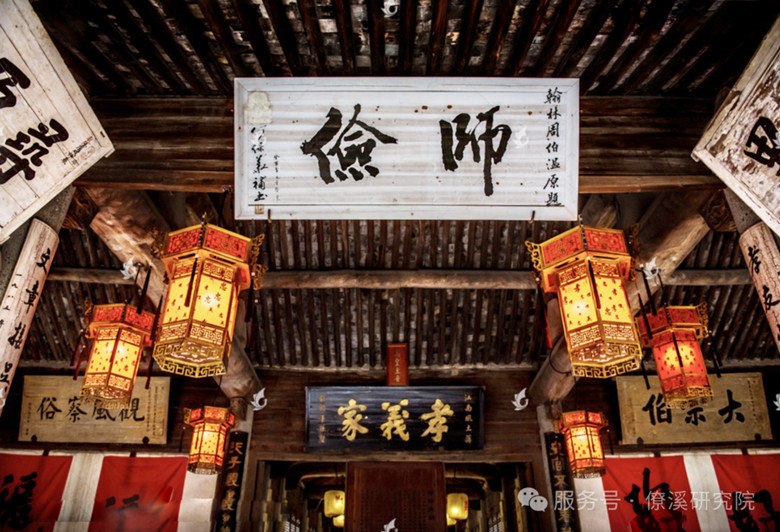
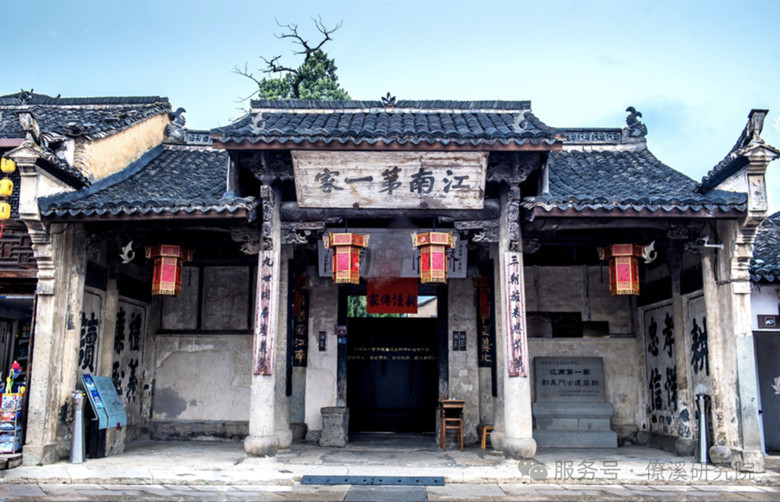
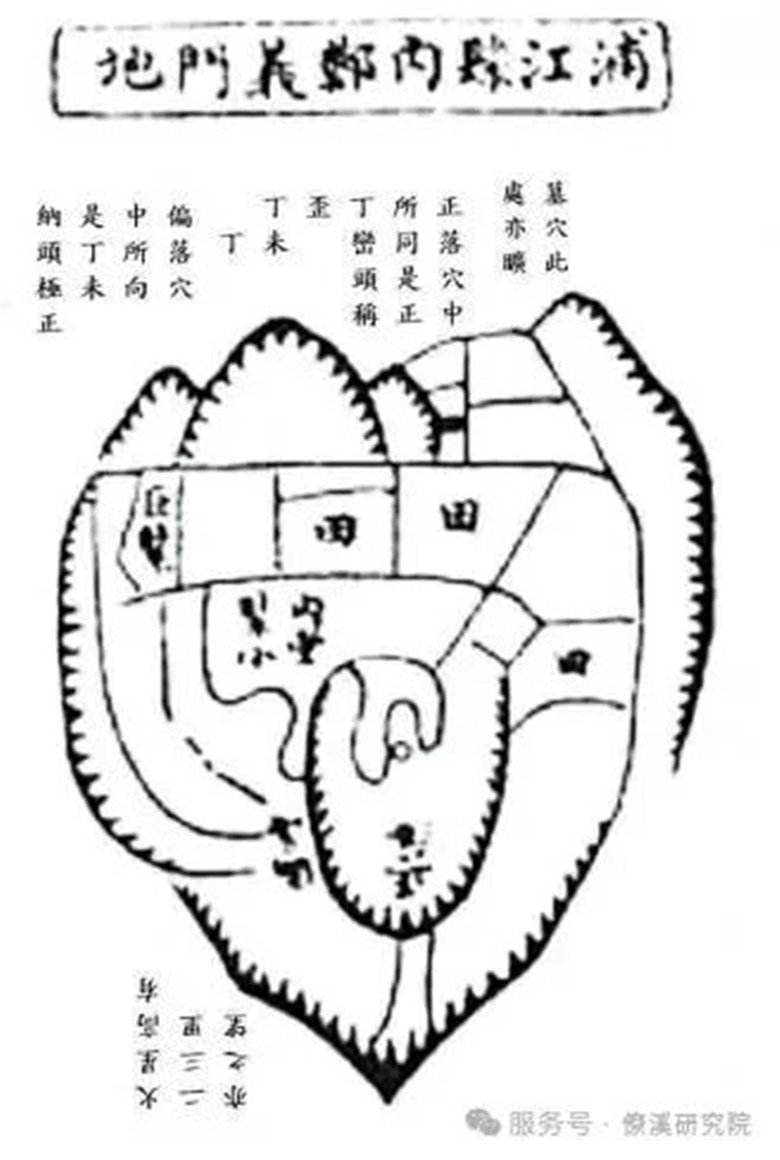
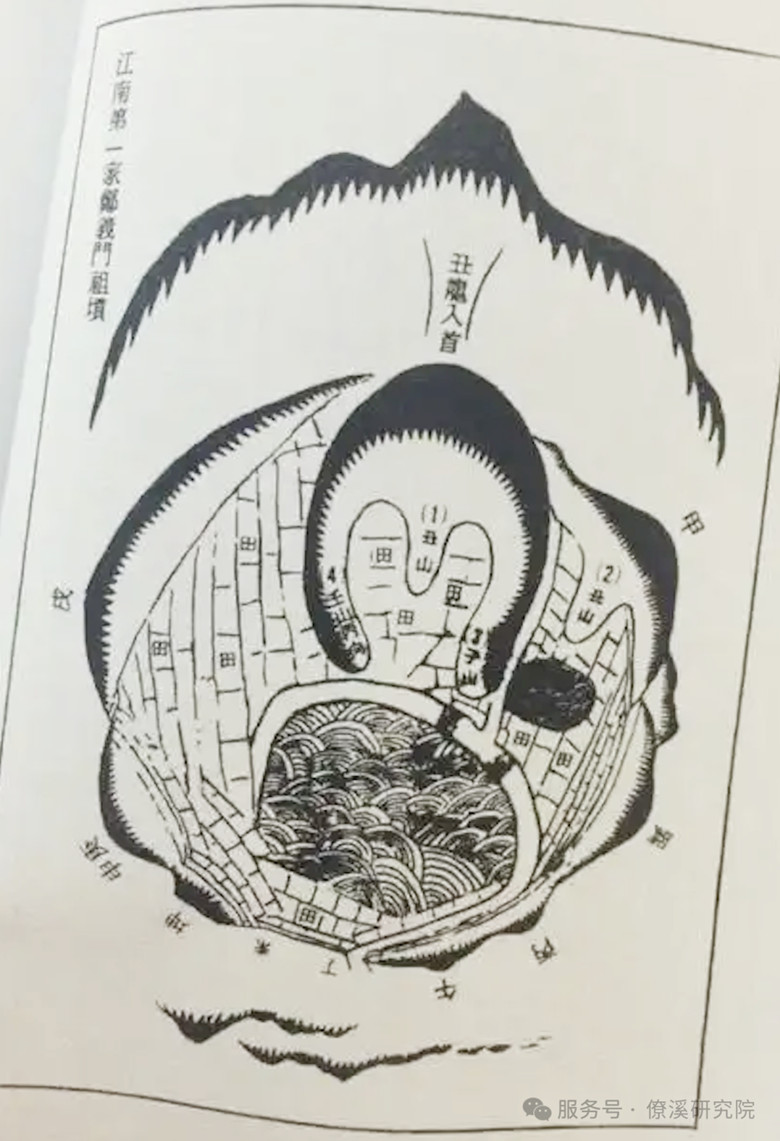
Zheng’s Family in Pujiang: The First “Geographical Lead Ball” in Jiangnan, Lai Buyi Takes a Photo of a Beautiful Woman in the Mirror
The Zheng family in Pujiang, also known as the Zheng Yimen, was a 300 year old family with clean and honest officials, 170 officials, and 47 officials who served in the Ministry of Rites. They rose to the position of Minister of Rites and were honored by the imperial court during the Song, Yuan, and Ming dynasties, and were included in the “Biography of Filial Piety and Righteousness”. Zhu Yuanzhang praised them as the “first family in Jiangnan”, which is unparalleled in history.
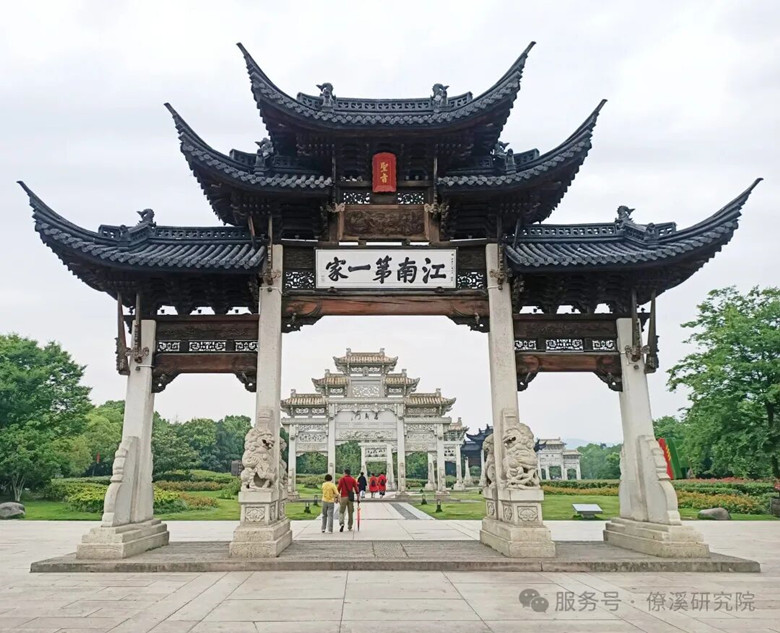
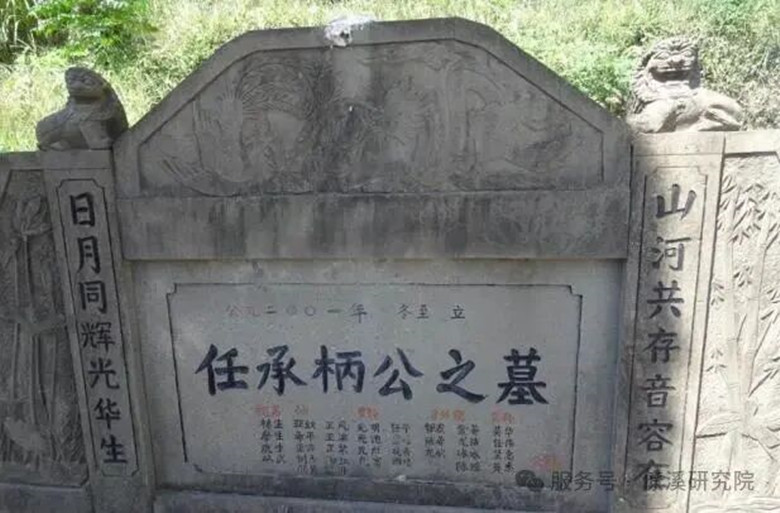
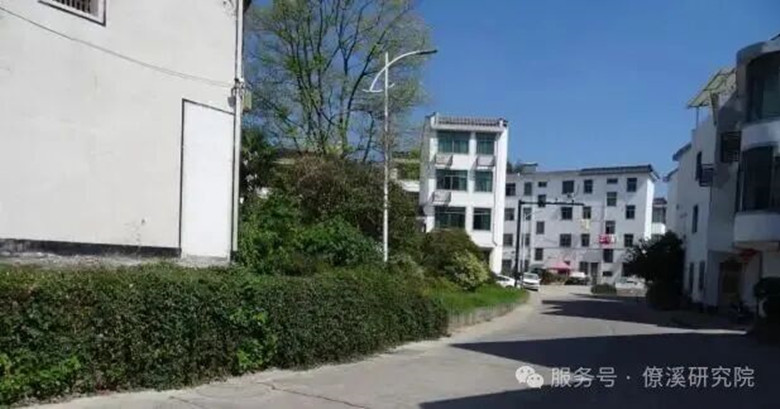
浦江任氏华为董事长任正非祖居
父辈经营金华火腿,远近闻名,抗战从浙江迁至贵州安顺后,任正非出生。下图为任正非祖父墓。
Liu Bowen knows the will of heaven, but he doesn’t know where he came from
Assisted Zhu Yuanzhang in pacifying the world, formulated the “Great Ming Law” and calendar, and laid the foundation for the Great Ming system. He retired bravely after achieving great success, but in his later years, he was plagued by suspicion and depression. A legend intertwined with the wisdom and tragedy of Chinese strategists who spent their entire lives strategizing but struggled to escape unscathed. In depth exploration of Liu Ji’s hometown and interpretation of geographical mysteries.
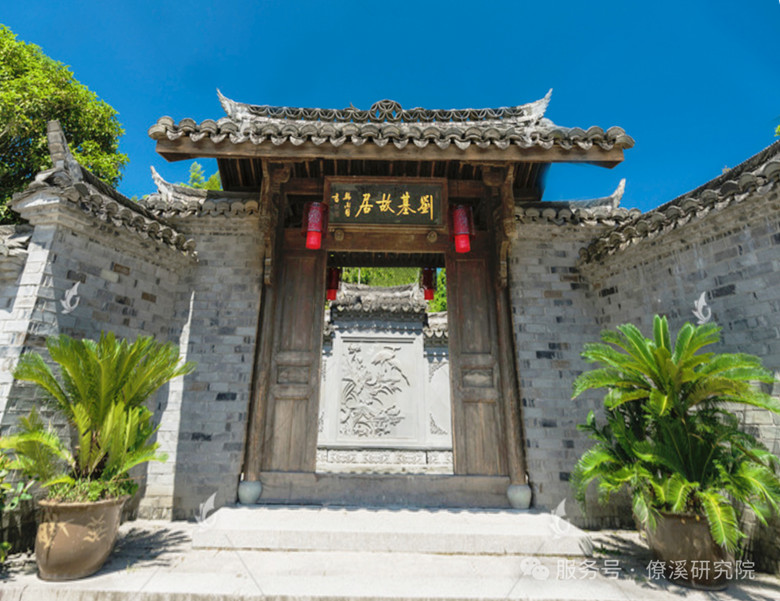
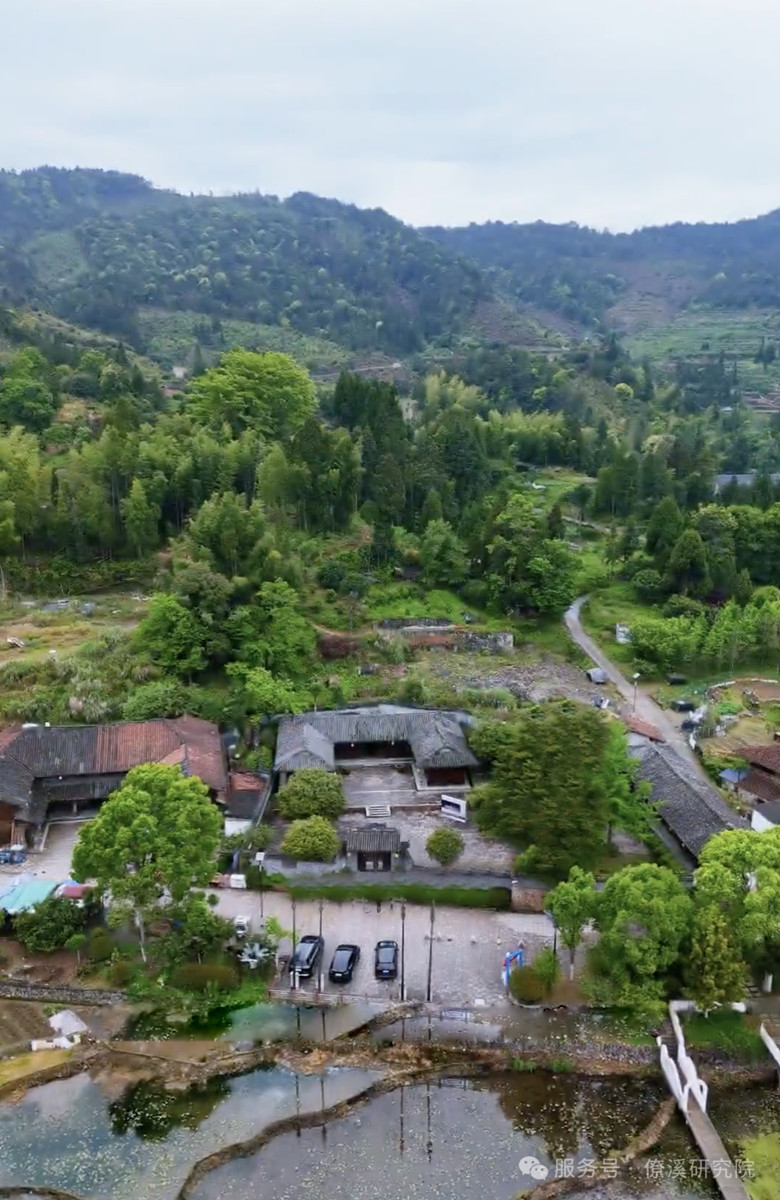
Liu Bowen’s self burial tomb
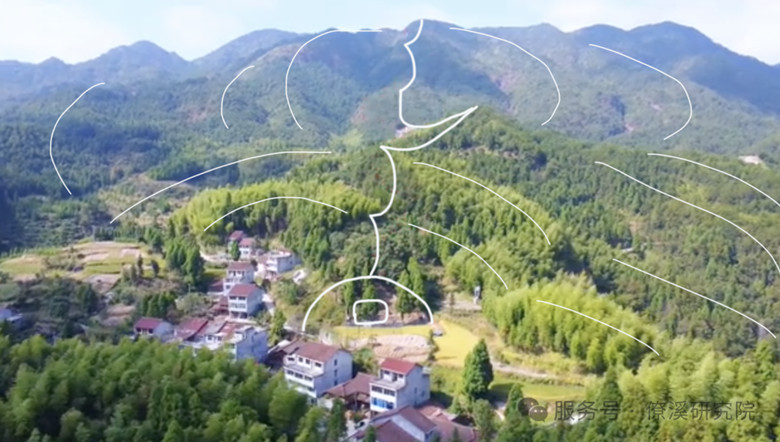
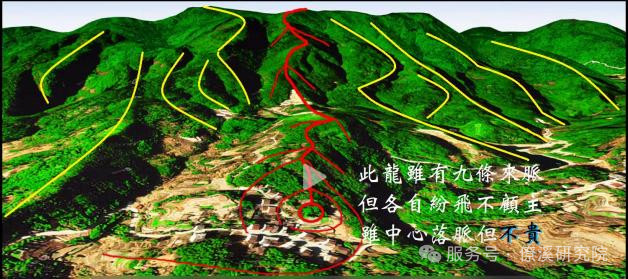
Liu Bowen’s grandfather’s tomb
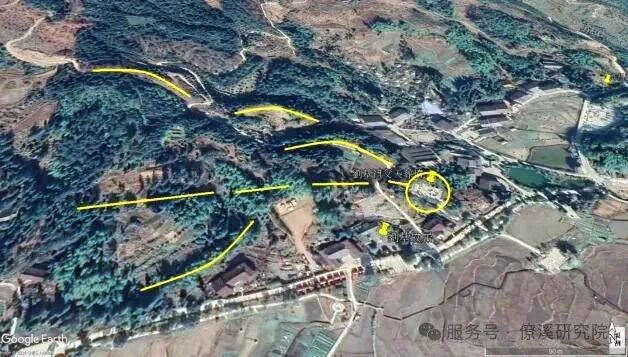
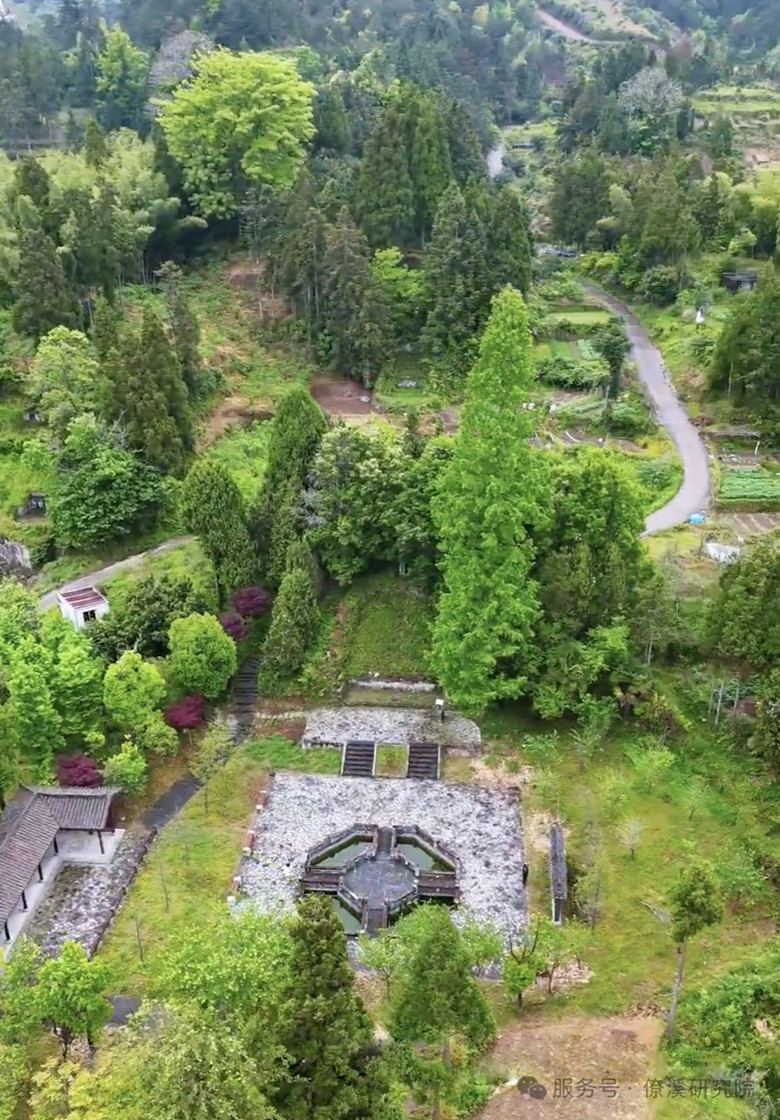
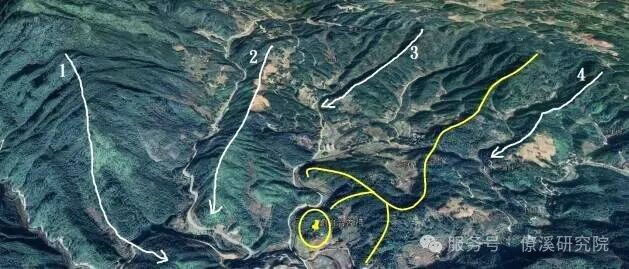
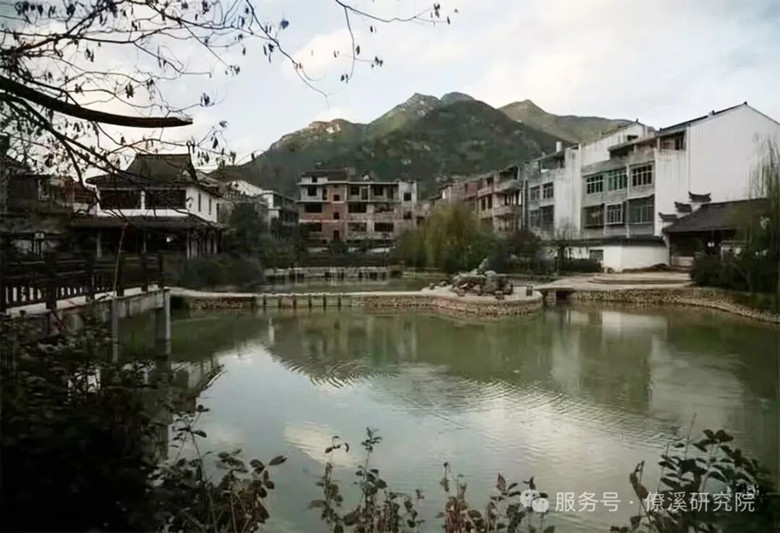
Chen Cheng’s hometown, the sailboats of the Oujiang River, half of the mountains and rivers shed tears
Chen Cheng’s hometown is located on the banks of the Ou River, in the high-altitude mountainous area of southern Zhejiang. The peaks are towering and the landscape is fragmented. There are also high peaks outside that cut into the water’s edge. It is precious to leave one’s hometown and say goodbye to one’s ancestors. Chen Chengzhong was loyal and experienced a lifetime of military service, with high positions and generous salaries. In his later years, he talked to his Taiwanese family every day about his old residence, stone carvings, and flagpoles in Yingchuan, Zhejiang. The fishing fire of the Oujiang River is a landscape that cannot be walked out of, a journey that cannot be returned.
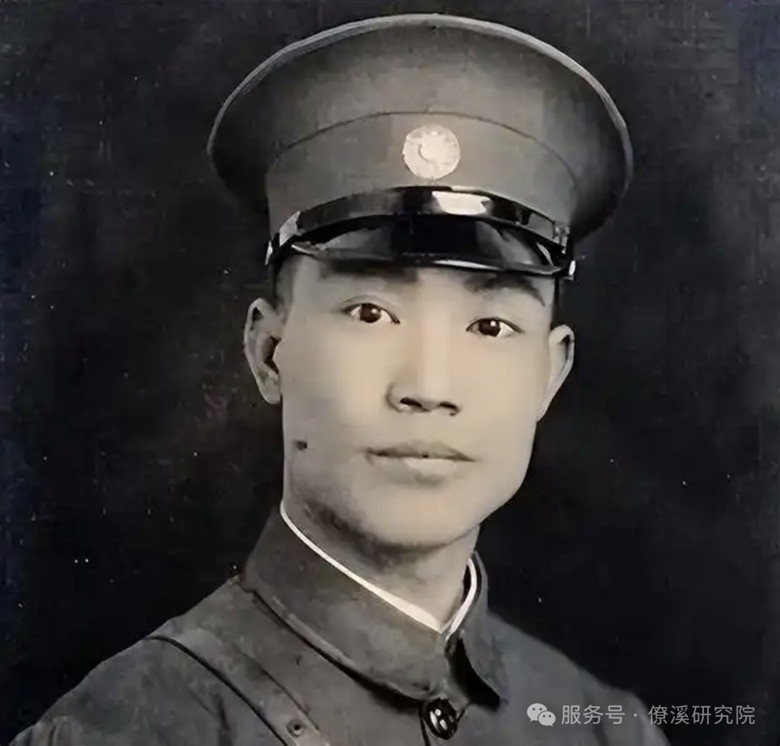
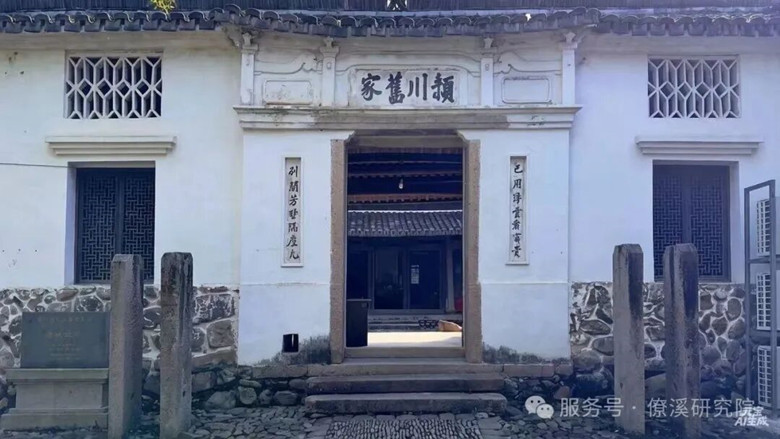
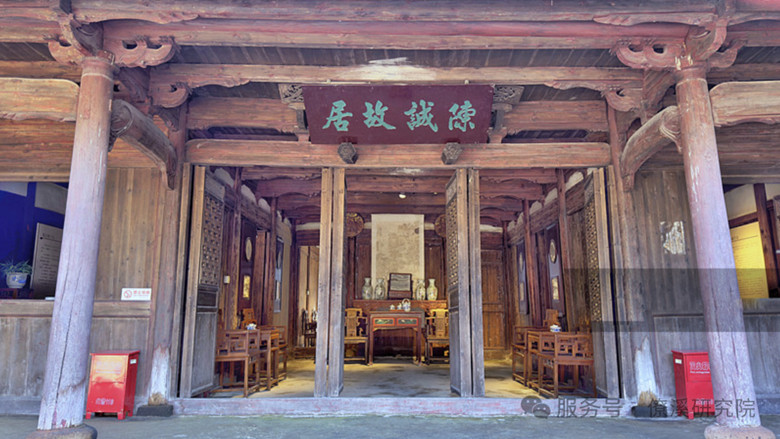
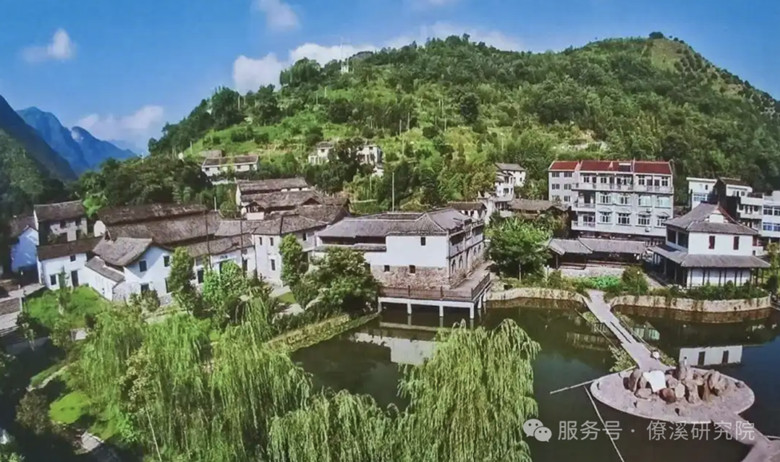
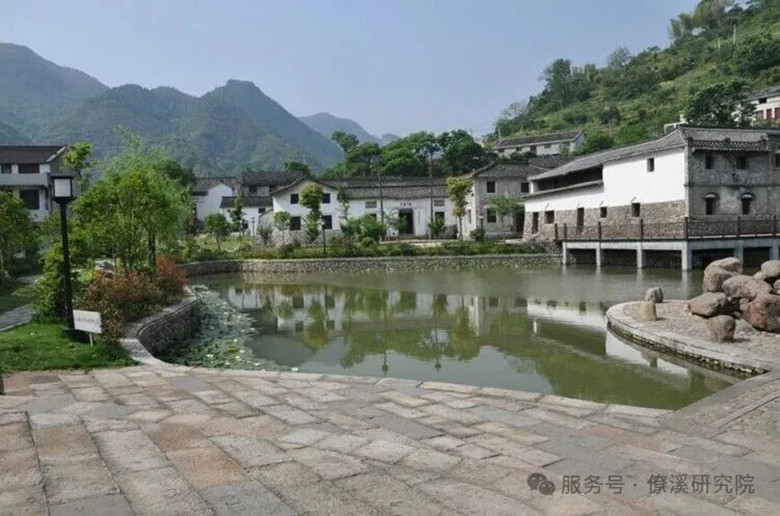
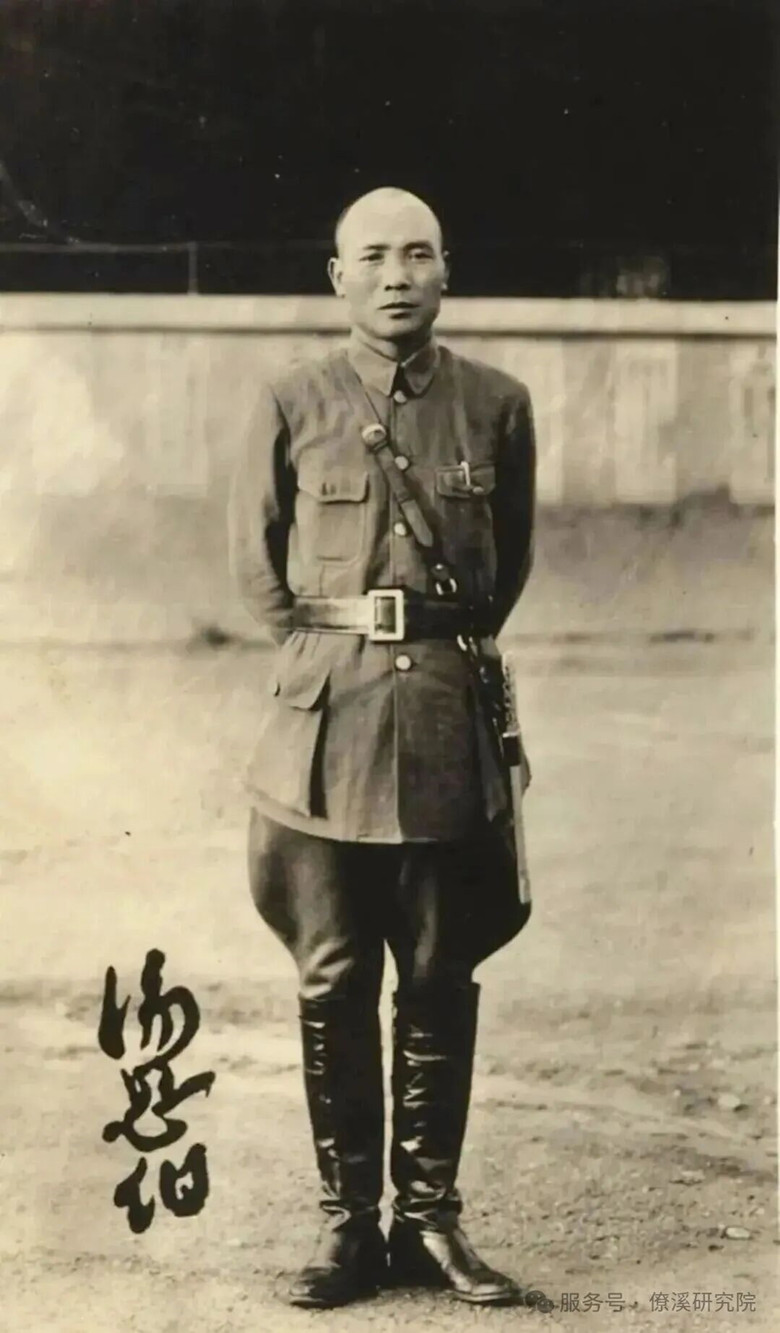
General Tang Enbo, Blood Battle Taierzhuang
Loyal to duty, negligent in benevolent governance. General’s sorrow, death in a foreign land, wind and rain in his hometown, soul returning. A lifetime of achievements and mistakes is like the surging tide of the Qiantang River, where the tide rises and the sword rises immediately, and the tide falls and is pointed at by thousands of people.
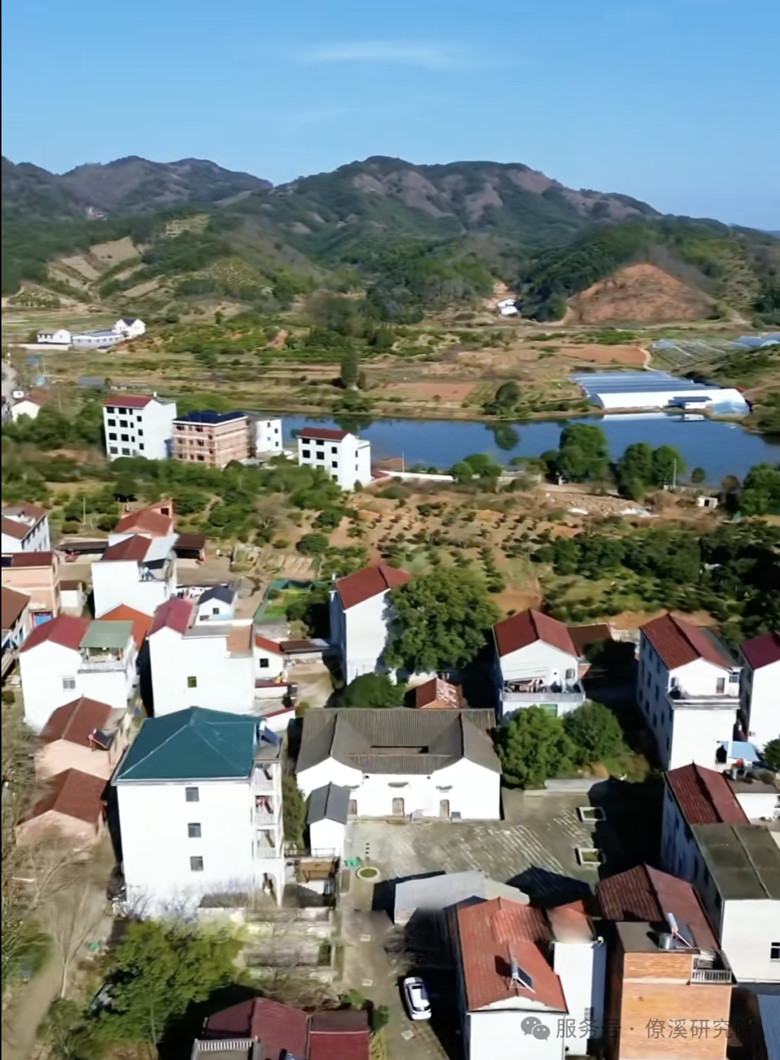
Tang Enbo’s former residence
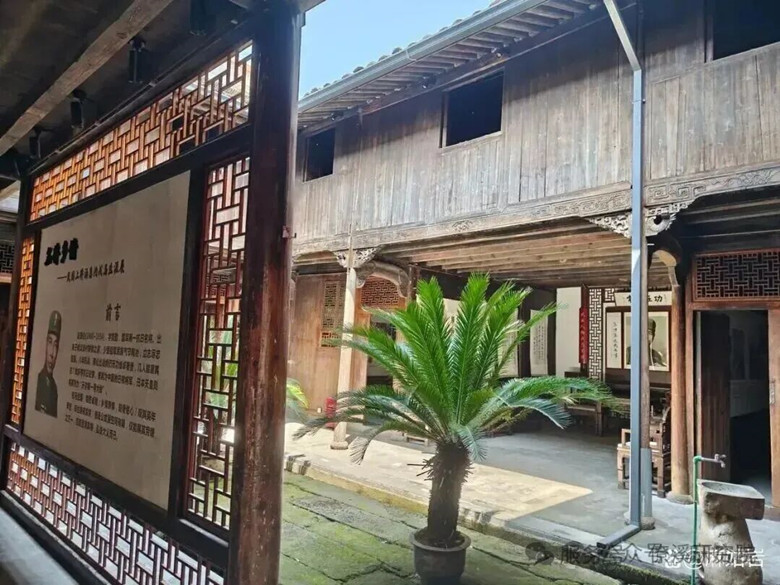
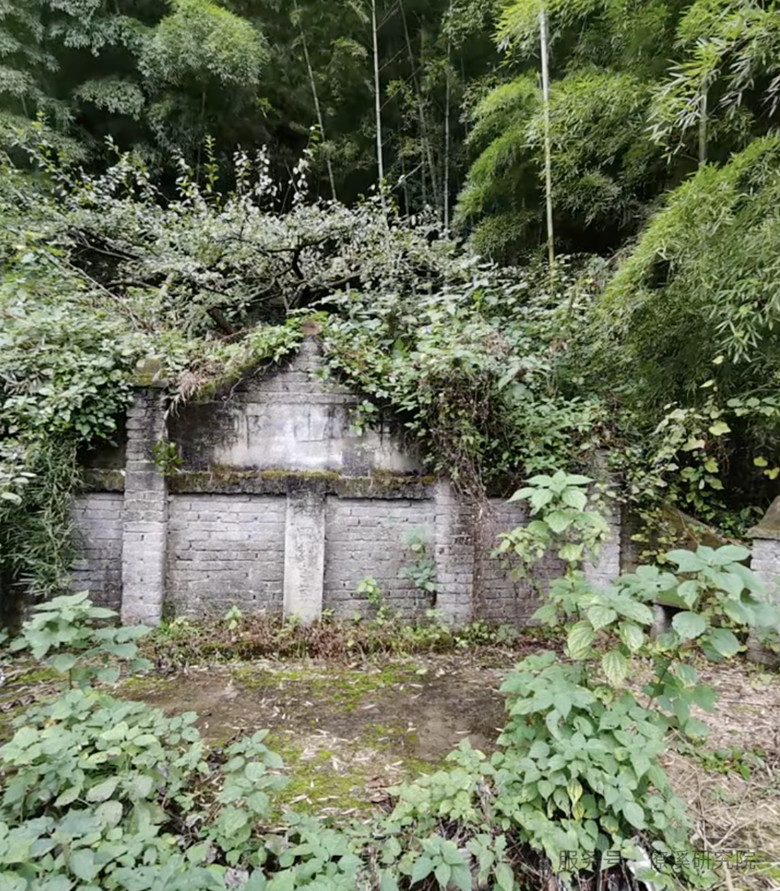
Tang Enbo’s Grandfather’s Tomb (Zhenwu Formation)
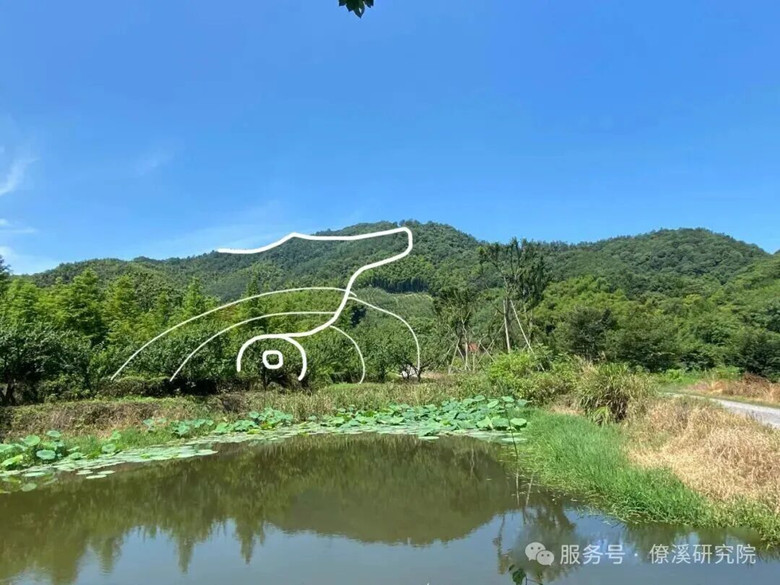
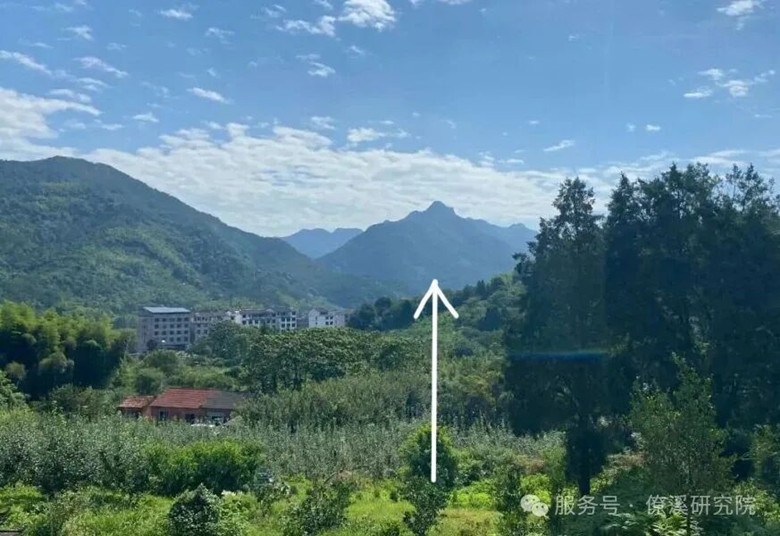
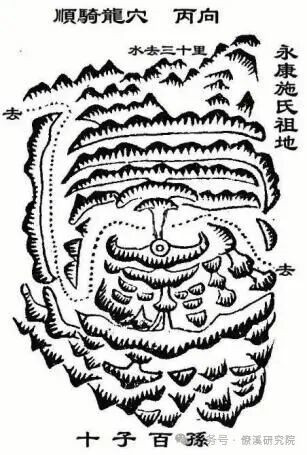
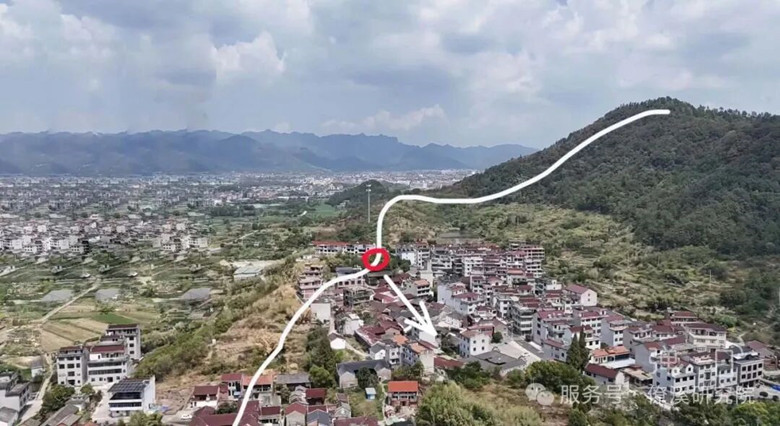
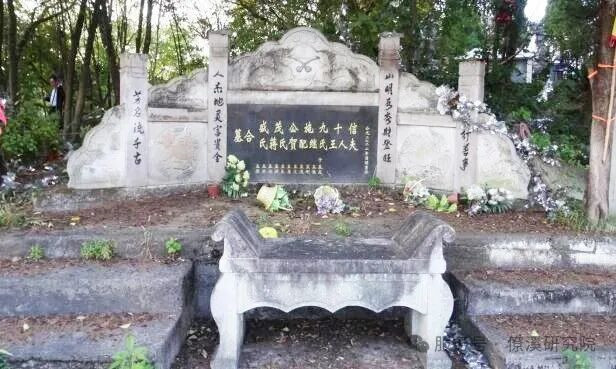
Yongkang Shi’s Ancestral Tomb Cavalry Dragon Cave, a work from the ancient book “Geographical Son of Man’s Notice” in the feng shui, has ten sons and a hundred descendants, and prosperity does not lead to high prices
Located in Yongkang, its dragon is far away, with branches branching and overlapping across the gorge. Make a hole, stack three peaks, draw a branch off, flash out several nodes, form a low and flat hole, and open the clamp in front. He exhaled another pulse and traveled thirty miles through the fields, creating several Yang mansions. This riding dragon hole is also. And the mountain it is coming out of, that is, it is winding around the side for protection, and it stops not far away without any major knots. Press: This is under the guidance of Master Liu Yongtai. Shi’s son’s name was Mengda, and he had a close relationship with Liu Xian. One day, he paid respects to Liu Xian and asked for good fortune to settle down with his parents. Liu asked, “Do you want a thousand people? Do you want top-notch officials?” Shi replied, “I only wish for a large population.” Liu pointed to this cave for riding dragons. After the burial, ten sons were born, and each son gave birth to more than ten more. The total number of descendants was three hundred. In the countryside, it is known as ten sons and a hundred grandsons. Up to now, with a population of a thousand people, it is a huge family in Yongkang, where prosperity does not lead to high prices.
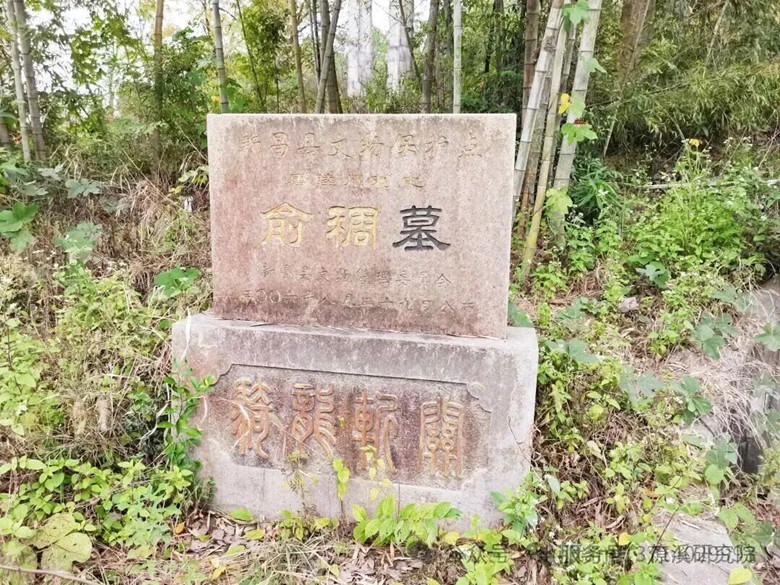
The Tomb of Yu Chou in Xinchang, the Ancestor of the Yu Family in Jiangnan
Yu Chou, the governor of Muzhou in the late Tang Dynasty, passed the imperial examination during the reign of Emperor Yizong of Tang and was promoted to Muzhou. Avoiding the chaos of Huangchao, he lived with his eldest son at the foot of Wufeng Mountain in the east of Shanxi. The clothes and headwear of the Central Plains have turned into the misty rain of Jiangnan, and a fragrance of books has spread for thousands of years in the Shanxi River, becoming the ancestor of the Yu family in Jiangnan. He gave birth to four sons, and the second son was buried with his father in Wufengkeng, Daqingwu, to ride the dragon and chop off the cave. Famous descendants of the Yu family in modern times: Yu Zhengsheng, former member of the Politburo Standing Committee, Yu Guohua, Minister of Finance and Premier of Taiwan, Yu Dawei, Major General of the Taiwan Army, Minister of Transportation and National Defense, Yu Jishi, Major General of the Taiwan Army, National Policy Advisor to the Presidential Office
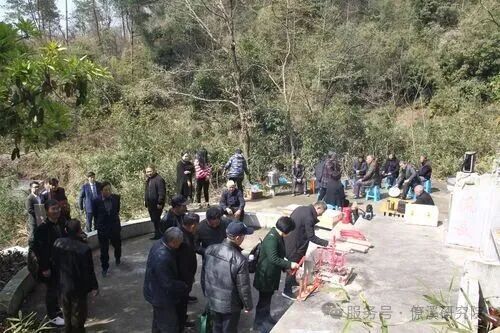
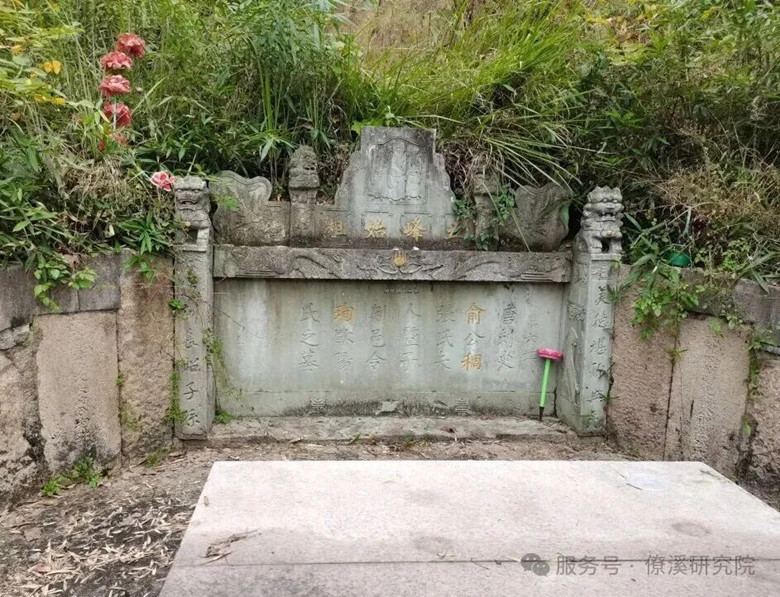
Yiwu Luobin Wang, aged seven, sings geese and is one of the Four Heroes of the Early Tang Dynasty
The tomb of King Luo Binwang is located on Huangbo Mountain in Yiwu, with the Han ancestor, the Minister of Revenue, Luo Yonglin, in the center, and the second ancestor and others on both sides. According to the “Yiwu County Annals”, after entering Yiwu, the main branch of Jinhua Mountain was divided into two branches. The southern branch reached Suxi and Houzhai, and then walked to Huangbo Mountain. The tomb of the founder of the Luo family was built on a rock wall, with a view of Xiu Lake in front, surrounded by four mountains and palaces, surpassing one town.
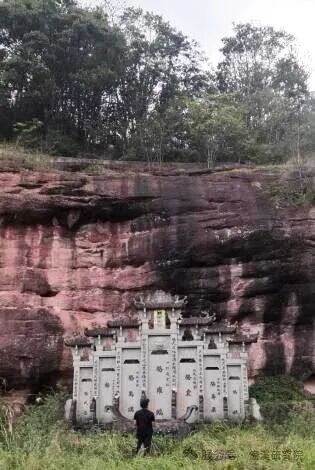
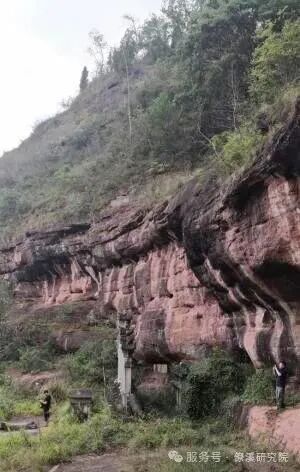
The spirit of Chiang Kai shek’s literati is reflected in the last touch of modern politics. Chiang Kai shek’s two major spiritual traits are a strong Confucian background and pure nationalism. He was deeply influenced by Song and Ming Neo Confucianism throughout his life and regarded himself as the guardian of Chinese orthodoxy. In difficult times, he still used retro methods such as the “New Life Movement” and traditional integrity to resist the modern trend of freedom and equality in the West. The second is the perseverance and loneliness of enduring humiliation and bearing heavy burdens, killing the powerful throughout one’s life, rarely showing weakness and hesitation, reflecting the temperament of Qiantang running alone to the sea. In April 1945, Jiang paid his last respects to his mother and bid farewell to his hometown, leaving behind two complete former residences, a villa, a ancestral hall, an auditorium, and the touching Jiang Mother Cemetery, reflecting on the value of life’s success or failure and the rise or fall of the family. The Jiang family in Xikou, Fenghua, has preserved a complete archaeological research building.
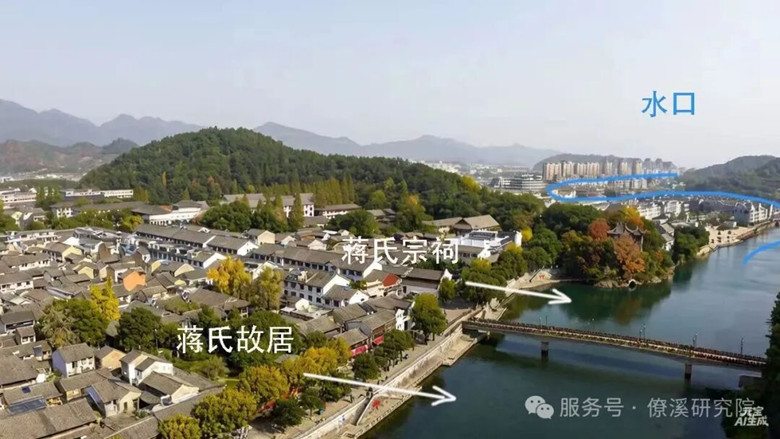
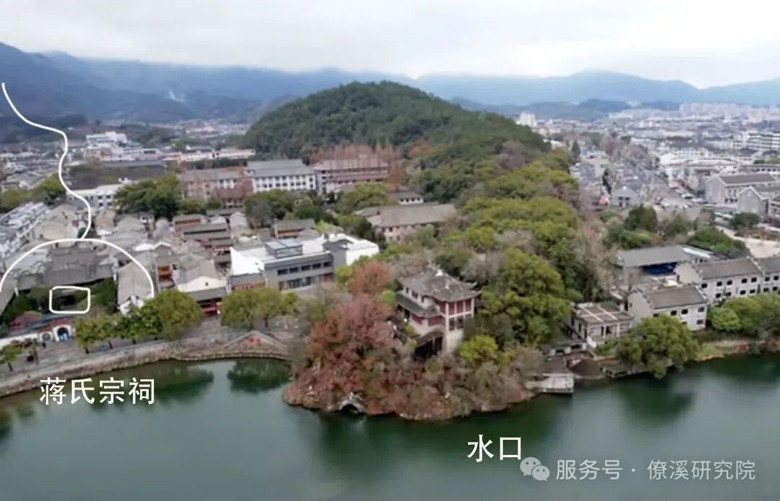
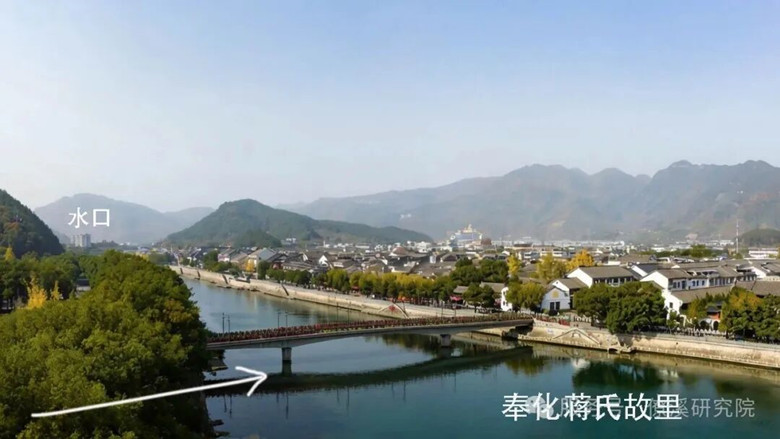
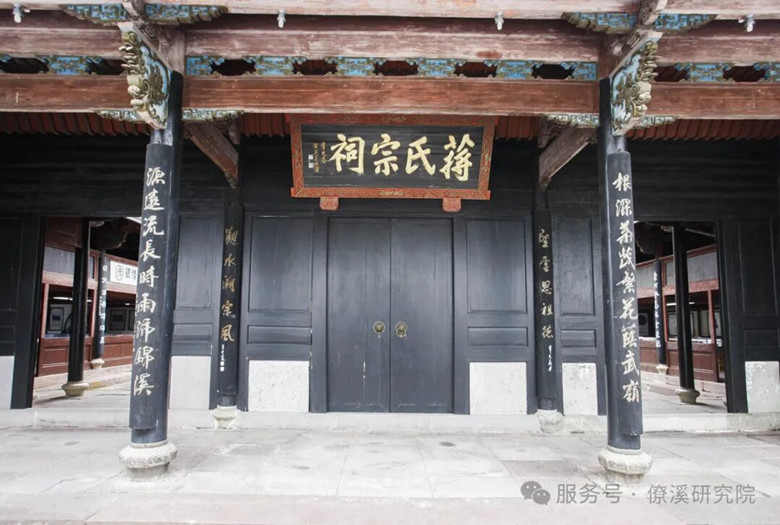
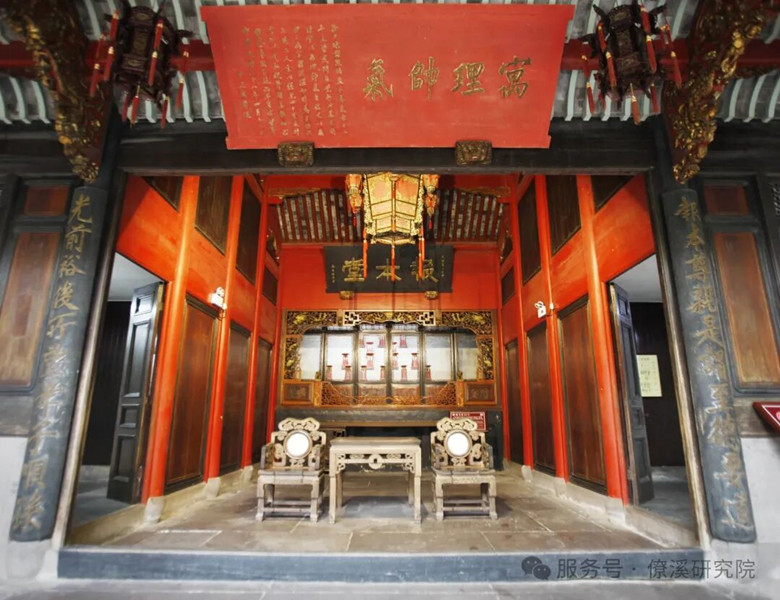
Jiang’s father’s tomb
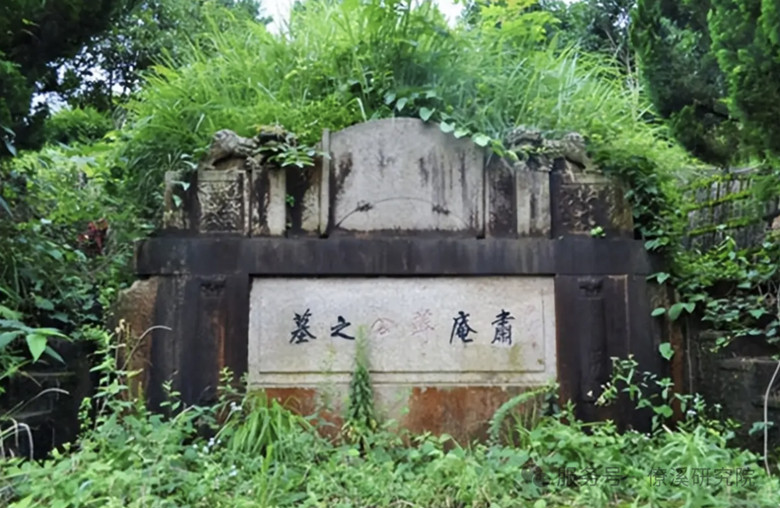
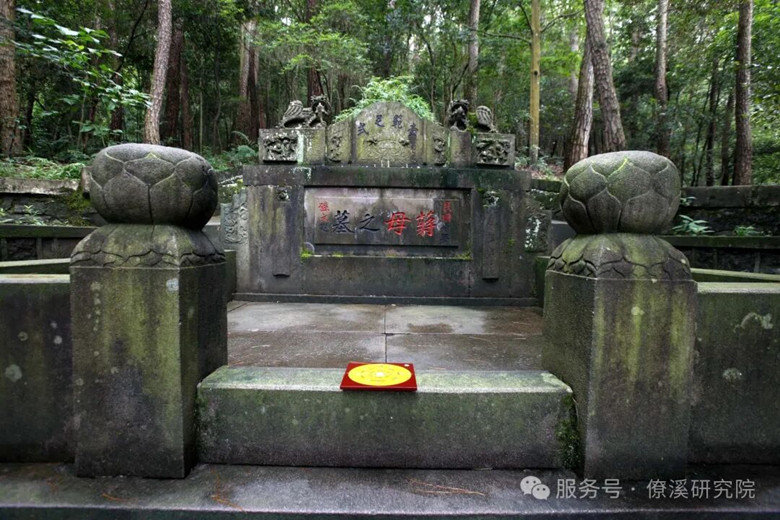
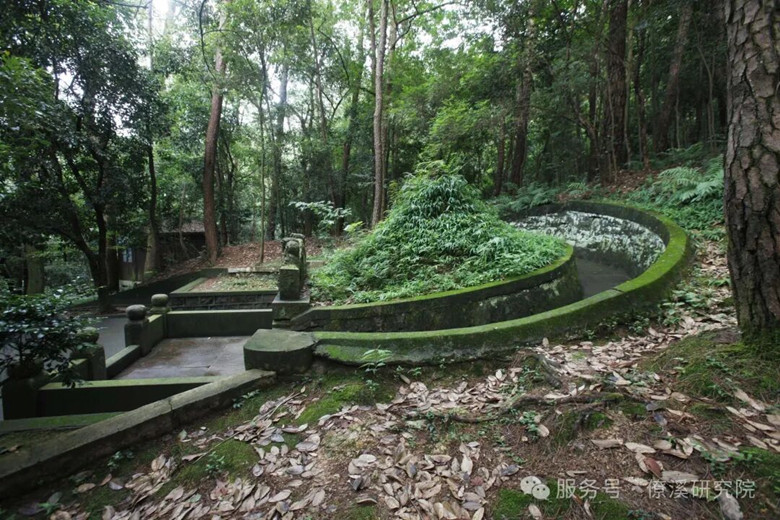
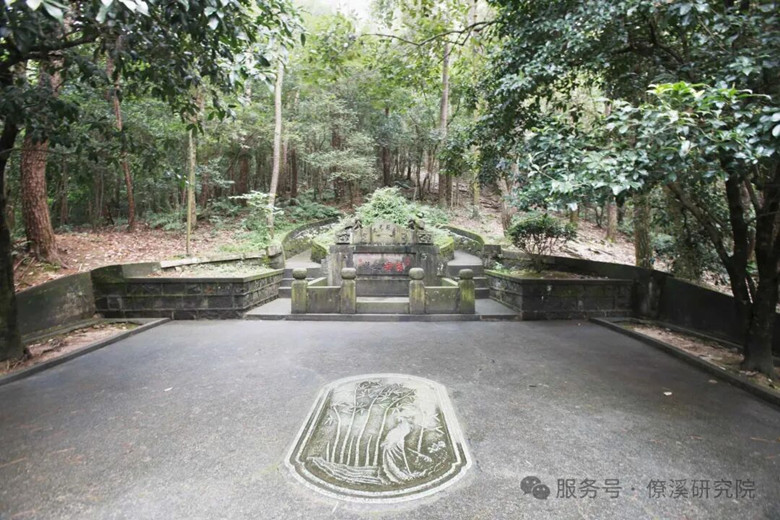
The tomb of Ma Yunzu’s Heavenly Ancestor has a large tent horizontally, with horizontal dragons descending straight down and multiple tents guarding it layer by layer.
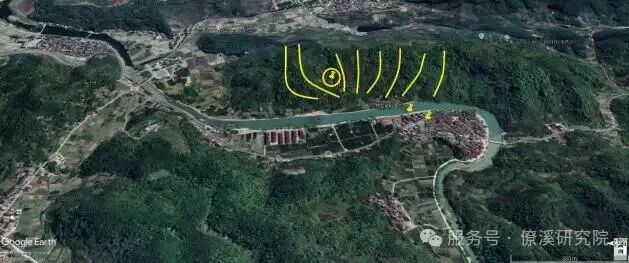
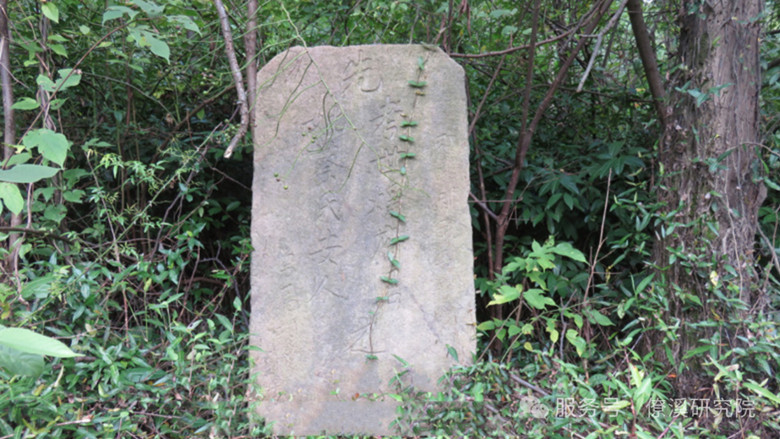
Zhou Enlai’s ancestral land in Shaoxing
In 1977, at the foot of Kuaiji Mountain in the south of Shaoxing City, Deng Yingchao fulfilled Zhou Enlai’s last wish by clearing the grave and cultivating it, giving the land to the people. The stone tablet is silent, engraved with the selfless heart and deep affection of the Prime Minister of the Republic.
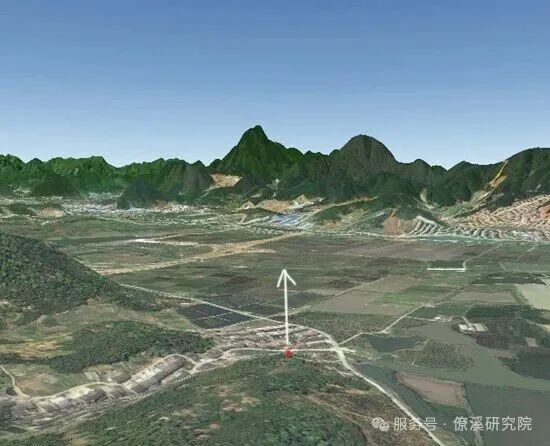
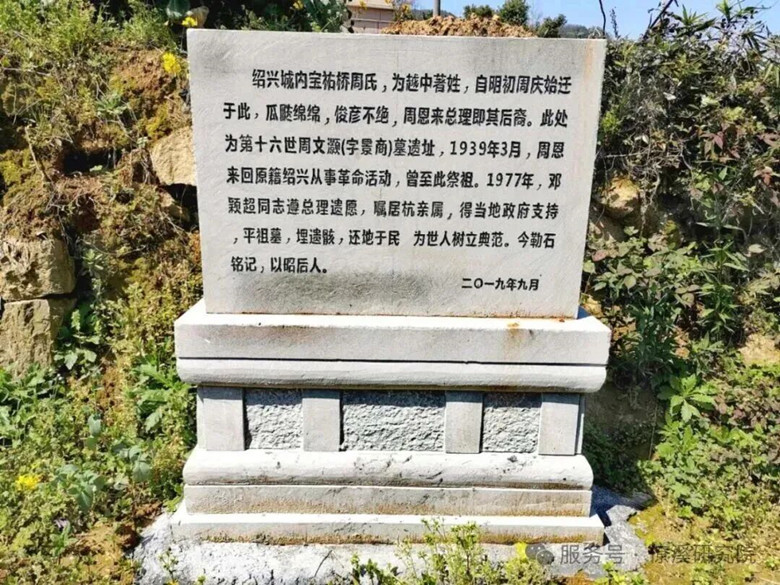
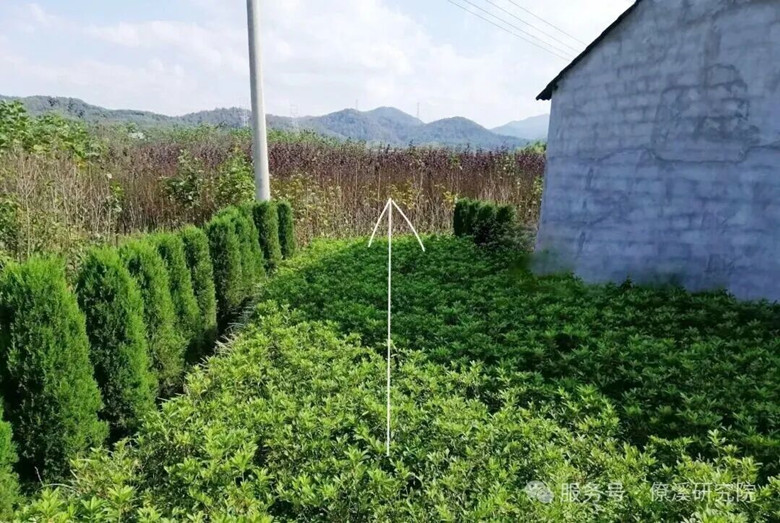
Wang Jingwei’s ancestral land in Shaoxing
The most complex backdrop in the political arena of the Republic of China. Young and talented, the first scholar of the Republic of China, advocated for the tortuous salvation of the country during the outbreak of the War of Resistance Against Japan. However, he went astray and led the Wang puppet regime to make peace with Japan. The front voice has not stopped, the back string has been broken, talent and betrayal are buried together.





Discussion about this post